Views: 0 Author: Joan Publish Time: 2025-03-28 Origin: https://taihusnow.com/


Silk pillowcases add a touch of luxury to your sleep, and caring for them is simpler than most people fear. Yes, you can wash a silk pillowcase at home. You can either machine wash it on a gentle cold cycle or hand wash it, depending on your preference and the specific care instructions for your silk.
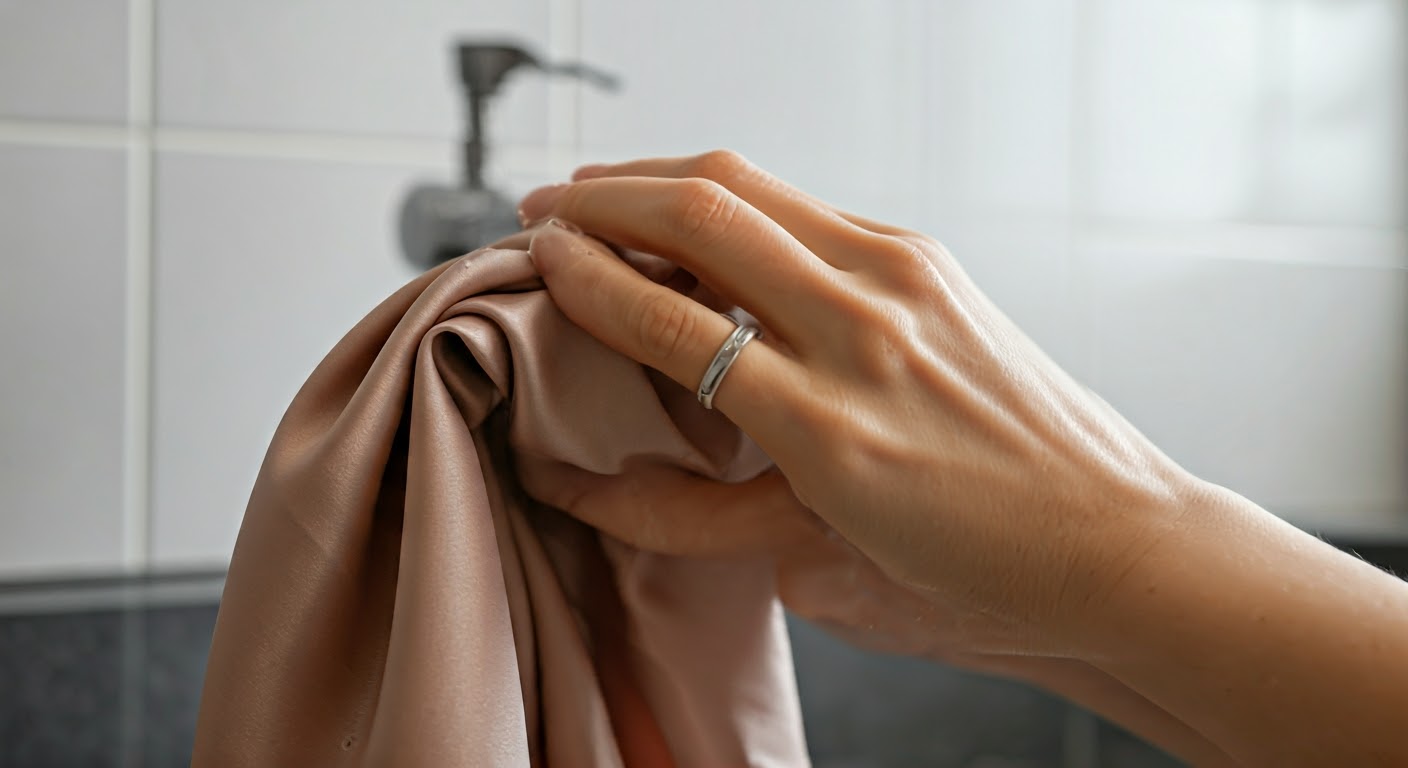
If you are short on time, machine washing is fine for most silk pillowcases. Just turn the pillowcase inside out, place it in a mesh washing bag, and select the delicate cycle with cold water and a mild detergent. This protects the delicate fabric while still getting it clean.
For those who prefer to be extra cautious, hand washing is a great option. Fill a sink with cool, soapy water, let your silk pillowcase soak for a few minutes, then rinse thoroughly. Either way, never wring the fabric, and let it air dry away from direct heat or sunlight. As a silk manufacturer, this is exactly how we care for our own mulberry silk pillowcases, and it keeps them silky smooth for years.

Proper preparation is key to keeping your silk pillowcase looking beautiful and lasting longer. Taking a few minutes to check labels, understand your silk type, and gather the right supplies can save you from costly mistakes.
Always start by checking the care label on your silk pillowcase. This tiny tag contains valuable information that can save your pillowcase from damage.
Most silk pillowcases will have specific instructions about:
Water temperature (usually cold water)
Washing method (hand wash or gentle machine cycle)
Drying recommendations
Ironing guidelines
Some manufacturers may recommend dry cleaning only. If your label says "dry clean only," it's best to follow this advice rather than risk ruining your pillowcase.
If the care label is missing, play it safe and hand wash in cold water with a gentle detergent made for delicates.
Not all silk is created equal! The type of silk affects how you should care for your pillowcase.
Mulberry silk is the highest quality and most durable type. It can typically handle gentle washing with proper care. Look for "momme" count on the packaging—higher numbers (19-25) indicate better quality silk that may be more resilient.
Charmeuse silk has a shiny front and matte back. It requires extra gentle handling to preserve its lustrous appearance.
Wild silk or tussah silk has a more textured feel and natural color variations. It's often more durable but may need special care to maintain its unique characteristics.
If you're unsure about your silk type, treat it as delicate to be safe. When in doubt, test any washing method on a small, hidden corner first.
Having the right supplies ready makes washing your silk pillowcase much easier and safer.
You'll need:
Gentle laundry detergent specifically designed for silk or delicates (avoid regular laundry detergents which are too harsh)
Cool or cold water (hot water damages silk fibers)
Large basin or clean sink
Soft towel for drying
Optional but helpful items:
White vinegar (1 tablespoon mixed with water helps remove soap residue)
Mesh wash bag (if machine washing)
Spot treatment for stains (test on hidden area first)
Distilled water (if you have hard water that might damage silk)
Never use bleach, fabric softener, or enzyme-based detergents on silk. These harsh chemicals break down the delicate fibers and ruin the soft feel of your pillowcase.
To hand wash your silk pillowcase, fill a clean basin or sink with cool water, 30°C (86°F) or below. Never use hot water, as it can damage the silk fibers and cause shrinking. Never use hot water as it can damage silk fibers and cause shrinking.
Add a small amount of mild detergent specifically designed for delicate fabrics. Wool wash or specialized silk detergent works best. Avoid regular laundry detergent which can be too harsh for silk.
Turn your pillowcase inside-out before submerging it in the water. This protects the outer surface that touches your face and hair.
Gently swish the pillowcase in the soapy water for 2-3 minutes. Don't rub, twist, or wring the fabric as this can damage the delicate fibers.
Let the pillowcase soak for about 5-10 minutes to allow the detergent to work on any oils or residue.
For stubborn stains on your silk pillowcase, treat them before the main wash. Mix 1 tablespoon of white vinegar with 1 cup of cold water as a gentle stain remover.
Apply the vinegar solution directly to the stain using a clean white cloth. Dab gently—never rub—to lift the stain without damaging the silk.
For makeup stains, try a small amount of silk-friendly detergent applied directly to the spot. Let it sit for 5 minutes before washing.
Avoid these stain removers on silk:
Bleach (damages silk fibers)
Regular stain removers (too harsh)
Enzyme cleaners (break down protein fibers)
Remember that some stubborn stains might require professional cleaning. It's better to seek expert help than risk damaging your silk pillowcase with aggressive treatments.
After washing, drain the soapy water and refill the basin with clean, cool water. Gently swish the pillowcase to remove soap residue.
Repeat the rinsing process 2-3 times until the water runs clear and no soap bubbles remain. Thorough rinsing prevents detergent buildup that can make silk stiff.
To remove excess water, never wring out silk. Instead, lay the pillowcase flat on a clean, dry towel. Roll up the towel with the pillowcase inside and press gently to absorb moisture.
Hang your silk pillowcase to air dry in a cool, shaded area. Keep it away from direct heat sources and sunlight, which can weaken fibers and cause fading.
When almost dry, you can iron on the lowest setting with the pillowcase still inside-out. Place a thin cotton cloth between the iron and silk for extra protection.
While many believe silk pillowcases can only be hand-washed, machine washing is possible when done correctly. The key is using gentle settings, proper detergents, and protective measures to keep your silk looking beautiful.
Machine washing works well for silk pillowcases when you're short on time or need a deeper clean. If your pillowcase has makeup stains or body oils that hand washing isn't removing, the machine might be more effective.
Not all silk is equal, though. Check the care label first - some specifically say "dry clean only." Pure silk pillowcases with a momme weight of 19-25 are typically sturdy enough for machine washing.
Machine washing is also great for weekly maintenance. If you use your silk pillowcase nightly, a gentle machine cycle once a week keeps it fresh. Just remember that frequent machine washing may shorten your pillowcase's lifespan compared to hand washing.
To machine wash silk properly, always use the delicate cycle or silk cycle if your machine has one. Cold water is essential - never hot! Hot water damages silk fibers and can cause shrinkage or color fading.
Important tips for washing:
Water temperature: Cold, up to 30°C (86°F)
Cycle: Delicate/Silk
Spin speed: Low or no spin
Always place your silk pillowcase inside a mesh laundry bag before washing. This protective barrier prevents the silk from catching or tearing on other items or machine parts.
Turn the pillowcase inside out before placing it in the bag. This helps protect the outer surface that touches your face and hair. Don't overload your washing machine - give silk plenty of space to move gently.
Choosing the right laundry detergent is crucial for silk care. Regular detergents contain harsh enzymes and brighteners that damage silk fibers.
Best detergents when washing:
Specialized silk detergents
Wool wash formulas
pH-neutral gentle detergents
Baby shampoo (1 teaspoon in a full load)
Avoid fabric softeners completely - they coat silk fibers and reduce breathability. Instead, add a tablespoon of white vinegar to the rinse cycle. This removes soap residue and helps maintain silk's natural softness.
Use only a small amount of detergent - about half what you'd normally use. Too much soap can leave residue that dulls silk's natural sheen. Always make sure detergents fully dissolve in water before adding your silk.
Once the wash cycle finishes, remove your silk pillowcase immediately.
Never leave wet silk sitting in the machine where it can develop creases or mildew.
Don't wring or twist the pillowcase to remove water. Instead, gently press it between clean white towels to absorb excess moisture.
This prevents stretching and fiber damage.
Air dry your silk pillowcase by laying it flat on a clean towel away from direct sunlight or heat sources.
Never use a clothes dryer - even on low heat, it's too harsh for silk fibers.
If wrinkles appear after drying, you can iron your silk pillowcase on the lowest setting while it's still slightly damp.
Always turn it inside out first and place a cotton cloth between the iron and silk for protection.
Some prefer steaming instead, which is gentler on the fibers.
Air drying is the safest method for your silk pillowcase.
Never use a tumble dryer as the heat and tumbling motion can damage silk fibers permanently.
Instead, gently squeeze out excess water without wringing or twisting the fabric.
Place your pillowcase flat on a clean, dry towel. Roll the towel with the pillowcase inside to absorb moisture.
Then lay your silk pillowcase flat on a fresh, dry towel or mesh drying rack.
Keep your silk away from direct heat sources and sunlight while drying. Harsh sunlight can fade colors and weaken fibers.
Choose a well-ventilated area with indirect light to dry your pillowcase.
Most silk pillowcases will dry completely within 4-6 hours, depending on humidity levels.
For faster drying, you can gently rotate the pillowcase or move it to a fresh dry spot on your towel after an hour or two.
Iron the silk pillowcase only when absolutely necessary, as heat can damage silk fibers.
If you must iron, wait until the pillowcase is almost completely dry but still slightly damp.
Set your iron to the lowest heat setting or use the "silk" setting if available.
Turn the pillowcase inside out to protect the outer surface from direct heat.
Always place a thin cotton cloth between the iron and silk to create a protective barrier.
Use gentle, smooth movements and avoid applying pressure.
Never leave the iron in one spot for more than a second or two.
Focus mainly on removing noticeable wrinkles rather than creating a perfectly pressed appearance.
Some silk pillowcases will have specific ironing instructions on their care label. Always check these guidelines before ironing, as some silk blends may require different treatment.
Steaming is gentler than ironing and often more effective for silk.
A handheld garment steamer removes wrinkles without direct contact with the fabric.
Hold the steamer about 6 inches away from the silk pillowcase and move it continuously.
If you don't own a steamer, try the bathroom steam method.
Hang your silk pillowcase in the bathroom while you shower. The steam from hot water will naturally release wrinkles.
Make sure the pillowcase doesn't get wet from water splashes.
For stubborn wrinkles, you can lightly mist your pillowcase with water using a spray bottle.
Then gently smooth out wrinkles with your hands and allow it to air dry flat.
After steaming or ironing, let your silk pillowcase cool and dry completely before using it on your pillow.
This final step ensures the fibers set properly and maintain their shape.
Silk pillowcases need different care depending on the time of year and how you use them. The right seasonal care can extend their life and keep them looking beautiful year-round.
During summer, your silk pillowcase may need more frequent washing. Sweat, oils, and higher humidity can affect silk fabric more intensely in warmer months.
Try to wash your silk pillowcase weekly in summer using cold water and a mild detergent.
In winter, you might stretch washing to every 10-14 days since you'll likely produce less oils and sweat. Winter air is also drier, which can make silk more prone to static electricity.
Keep a spray bottle with a tiny bit of distilled water nearby to lightly mist your pillowcase if it becomes staticky in winter months.
Humidity changes between seasons can affect silk too.
In very dry winter conditions, consider using a humidifier in your bedroom to prevent the silk from becoming too brittle.
Between washings, fold your silk pillowcase gently rather than crumpling it. Avoid storing silk in plastic bags which can trap moisture and damage the fibers.
The best storage option is a breathable cotton bag or drawer lined with acid-free tissue paper. This protects silk from dust while allowing air circulation.
If you rotate between different pillowcases, make sure silk is completely dry before storing. Even slight dampness can lead to mildew or mold growth.
Don't place heavy items on top of stored silk pillowcases. The weight can damage fibers and create permanent creases over time.
For long-term storage (like seasonal changes), clean your silk pillowcase thoroughly first. Store in a cool, dry place away from direct sunlight which can fade colors and weaken fibers.
To minimize wear and tear, rotate between 2-3 silk pillowcases if possible. This gives each one time to "rest" between uses and washings.
Turn your pillowcase inside out before washing to protect the outer surface that touches your face. Using a mesh wash bag adds another layer of protection during machine washing.
Trim any loose threads carefully with small scissors rather than pulling them, which can cause runs in the fabric.
Keep jewelry, rough skin, and long fingernails away from silk to prevent snags.
Consider applying hand cream before bed to prevent rough skin from catching on delicate silk fibers.
Check the seams periodically for any signs of weakening. Small repairs done early can prevent bigger problems later.
Hand-stitching loose seams with silk thread can extend your pillowcase's life significantly.
Replace your silk pillowcase when it shows signs of thinning or excessive wear, typically after 1-2 years of regular use.

Even with careful handling, silk pillowcases can sometimes develop issues. When problems occur, knowing how to fix them quickly can save your favorite silk pillowcase from permanent damage.
Color bleeding happens when dyes transfer during washing. To prevent this, always wash similar colors together and use cold water for every wash.
If bleeding has already occurred, act quickly!
Soak the pillowcase in cold water with a tablespoon of white vinegar for 30 minutes. This can help set the dye and prevent further bleeding.
For white or light-colored silk that has picked up color from other items, try a solution of cold water and oxygen-based color remover specifically marked safe for silk.
Never use bleach on silk as it will damage the delicate fibers.
To test if the color is still running, blot the wet silk with a white cloth. If color transfers, another soak is needed.
Silk can shrink when exposed to hot water or high heat. If your pillowcase has already shrunk, you may be able to restore it partially.
Try this gentle stretching method:
Dampen the silk with cool water
Gently stretch the fabric in all directions
Lay flat to dry, pulling gently at the edges
For prevention, always wash in cold water and air dry away from heat sources. The temperature matters tremendously - even lukewarm water can cause some silk types to contract.
Consider hand washing particularly fine silk to maintain better control over the washing conditions. Machine washing should only be done on the gentlest cycle with cold water.
Silk can develop small tears or snags that worsen with time.
For tiny snags, use a needle to carefully pull the loose thread to the back side of the fabric.
Never cut snags, as this creates holes! Instead, secure them with a tiny drop of fabric glue made for delicate materials.
For small holes or tears:
Use silk repair patches applied with low heat
Consider professional repair for valuable items
Hand-stitch tears using silk thread that matches your pillowcase
Water stains can often be removed by rewetting the entire pillowcase and properly drying it flat. This helps the fabric dry evenly without water marks.
If silk has lost its luster, a rinse with a mixture of cold water and a splash of white vinegar can help restore some shine.
Just be sure to rinse thoroughly afterward.
Yes. A 100% silk pillowcase can be machine washed on a gentle or delicate cycle, in cold water, inside a mesh laundry bag, using a mild silk-safe detergent. Hand washing is even gentler and is best for pure mulberry silk you want to last.
Hand washing is the gentlest and best way to wash a silk pillowcase. Machine washing on a cold, gentle cycle inside a mesh bag is a fine everyday alternative when you are short on time.
You do not strictly need a branded silk detergent, but you do need a mild, pH-neutral, enzyme-free detergent made for delicate fabrics. Never use regular laundry detergent, which is too harsh for silk.
No. Dish soap and regular detergent contain degreasers, enzymes, or brighteners that strip silk of its natural sheen and weaken the fiber. Use a mild detergent formulated for silk or delicates instead.
Never. Bleach permanently damages silk protein, causing yellowing, weakening, and holes. Skip bleach, fabric softener, and any whitening product when washing silk.
No. The heat and tumbling of a dryer shrink and damage silk quickly. Always air dry a silk pillowcase flat or hang it in the shade, away from direct heat and sunlight.
About once a week. A silk pillowcase collects skin oils and product residue nightly, so weekly washing keeps it fresh. Wash more often if you use heavy night creams or have oily skin.
Yes, turning it inside out before washing is a good habit, especially in the machine, as it protects the outer surface and seams from friction inside the mesh bag.
It is a good idea. A gentle first wash removes any manufacturing residue and softens the fabric. Use the same cool-water, mild-detergent method.
Silk can shrink if exposed to hot water, a hot dryer, or harsh agitation. Washing in cold water and air drying flat keeps it its original size.
This usually means the water was too hot, the detergent too harsh, or it was wrung or tumble dried. Switch to cold water and a mild silk detergent, press out water in a towel, and air dry flat to restore the smooth feel.
Use a fine mesh laundry bag rather than a coarse one, so the silk cannot bunch or snag. Any clean mesh bag that lets water through while holding the pillowcase gently will work.