Views: 0 Author: Kathy Yee Publish Time: 2026-06-05 Origin: https://taihusnow.com/


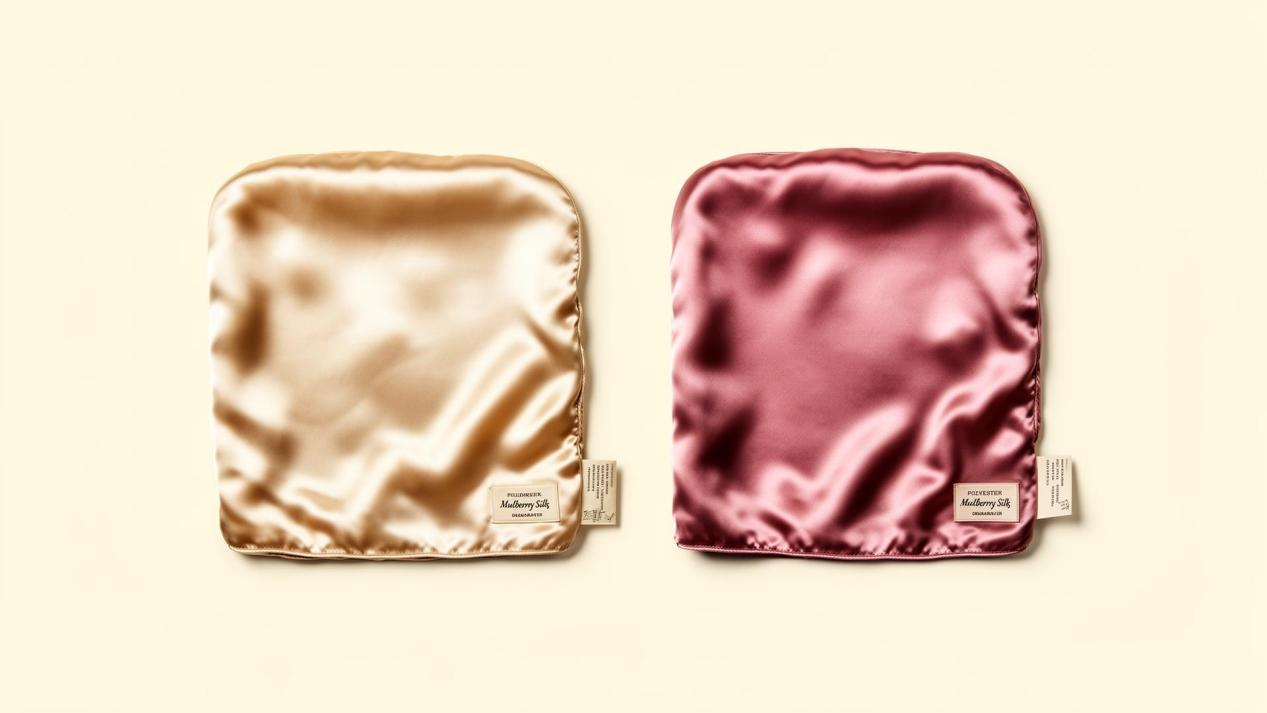
If you are building a haircare brand, managing a salon product line, or sourcing bonnets for an e-commerce store, one of your earliest sourcing decisions is the material: real mulberry silk or synthetic satin.
This is not just a fabric question. The material you choose affects your product cost, retail price, brand positioning, customer satisfaction, repeat purchase rate and how you communicate the product to your audience.
This guide is written for B2B buyers, not individual consumers. If you are looking for a personal comparison of silk and satin bonnets, Taihu Snow has a helpful consumer guide on silk bonnet vs satin bonnet. This article focuses on what matters when you are choosing a material for a product line, not for personal use.
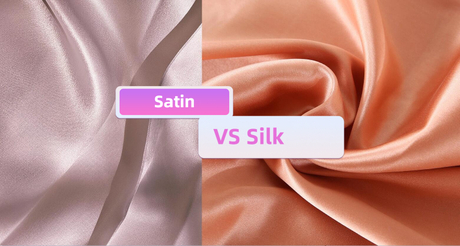
This distinction matters more than most buyers realize, because "satin" is not a material. It is a weave pattern.
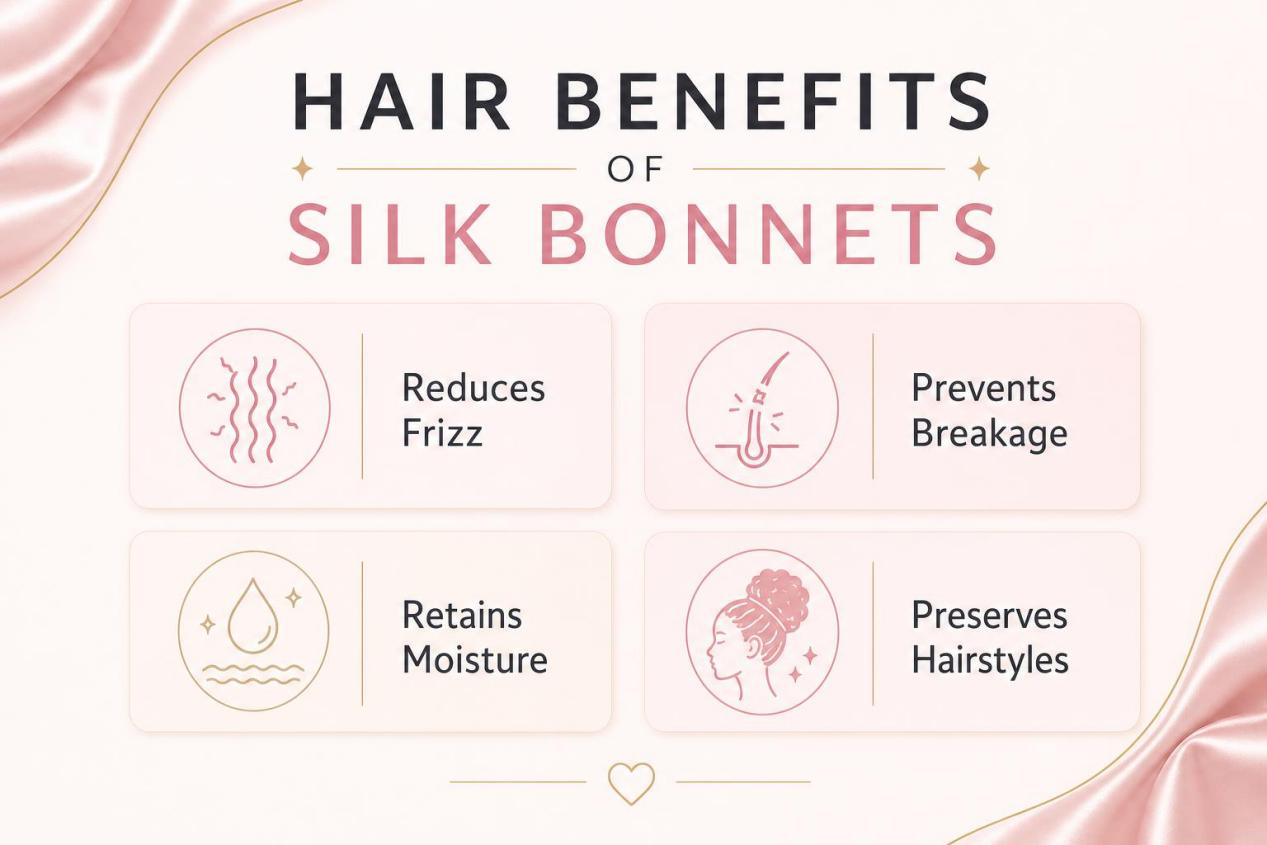
Silk is a natural protein fiber produced by silkworms. It is a specific raw material with measurable properties: momme weight, fiber grade, origin, breathability, hypoallergenic qualities and temperature regulation.
Satin is a type of weave that creates a smooth, glossy surface. Satin bonnets sold at retail are almost always made from polyester satin, nylon satin or a polyester blend. The word "satin" describes how the fabric is woven, not what the fabric is made from.
This means:
● A "silk satin" bonnet is made from real silk woven in a satin weave. It is a premium product.
● A "satin" bonnet with no further specification is almost certainly synthetic polyester.
● Marketing a polyester satin bonnet as equivalent to a mulberry silk bonnet is misleading to educated consumers.
For B2B buyers, the key question is: which material matches your brand promise, your target customer and your price point?
Property | Mulberry silk bonnet | Polyester satin bonnet |
Material origin | Natural protein fiber from silkworms | Synthetic petroleum-based fiber |
Surface friction | Very low, reduces hair breakage effectively | Low, but slightly higher friction than silk |
Moisture behavior | Does not absorb hair moisture, helps retain natural oils | Can draw some moisture from hair over time |
Breathability | Naturally breathable, regulates temperature | Less breathable, may trap heat |
Hypoallergenic | Naturally hypoallergenic, resistant to dust mites | Not naturally hypoallergenic |
Temperature regulation | Adjusts to body temperature | Limited temperature regulation |
Durability with proper care | Long-lasting with gentle hand washing | Durable, machine washable |
Luster and hand feel | Natural sheen, soft and cool to the touch | Glossy surface, smoother than cotton but less refined than silk |
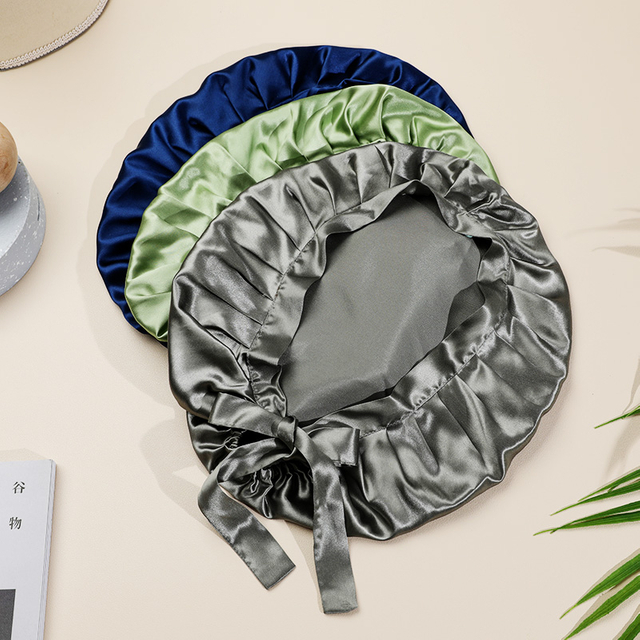
Color range | Wide range, 90 or more colors in stock for common momme weights | Very wide range, easy to produce in any color |
Typical retail price positioning | Premium and luxury tier | Budget to mid-range tier |
Certifications available | OEKO-TEX Standard 100, Grade 6A classification | Varies by supplier, less standardized |
For more detail on how silk fabric quality is graded and certified, see Taihu Snow's OEKO-TEX certification page.
Understanding your target customer's hair type helps you choose the right material and write better product copy.
Curly and coily hair is naturally drier because scalp oils cannot easily travel down the hair shaft. These hair types lose moisture faster during sleep, especially against absorbent cotton pillowcases.
Real silk bonnets are generally the stronger choice for curly hair brands because silk does not absorb moisture and provides extremely low friction. This helps preserve curl definition, reduce frizz and maintain hydration from leave-in products applied before bed.
If your brand serves the curly hair community, positioning a 100 percent mulberry silk bonnet as your hero product carries more credibility than a satin alternative. For guidance on how silk bonnets serve curly hair specifically, see Taihu Snow's guide on how to wear a silk bonnet for curly hair.
Natural hair customers are often highly informed about materials and fabric composition. Many actively seek products labeled as real silk rather than synthetic satin. For brands targeting the natural hair market, a genuine mulberry silk bonnet supports trust and repeat purchase.
Fine hair is more prone to static, breakage and flatness. Both silk and high-quality satin reduce friction compared to cotton. For brands serving this audience, silk offers a premium positioning advantage, while satin can work well for an affordable product line.
Color-treated and bleached hair is more vulnerable to dryness and breakage. Silk bonnets help maintain moisture balance and reduce friction on already compromised strands. For salon brands retailing hair protection products, real silk bonnets align well with a professional care recommendation.
For a deeper look at how silk benefits different hair types, see Taihu Snow's article on silk bonnet benefits for hair care.
Higher unit cost, but also higher retail price and stronger margin potential.
A 19 momme mulberry silk bonnet costs more to produce than a polyester satin bonnet. However, silk bonnets typically retail at two to four times the price of satin bonnets. Many DTC brands sell silk bonnets in the range of 25 to 50 USD at retail, with healthy margins after production, branding and shipping costs.
For brands building a premium identity, silk bonnets support higher average order value and better perceived value in gift sets and bundles.
Lower unit cost, wider margin on volume, but limited pricing power.
Polyester satin bonnets are cheaper to produce and easier to source in large quantities. However, the retail price ceiling is lower, typically 8 to 18 USD. Competition is intense in this segment, and differentiation is harder without unique design or strong brand storytelling.
Some brands offer both:
● A premium mulberry silk bonnet as the flagship product.
● A more affordable satin bonnet as an entry-level option or promotional item.
This approach lets you serve different customer segments and test price sensitivity before committing to a single material across your entire line.
Brand positioning | Recommended material | Why |
Premium haircare brand | 100 percent mulberry silk | Supports luxury storytelling, higher margin, repeat buyers |
Salon retail product | Mulberry silk or high-quality silk satin | Professional credibility, stylist recommendation |
Affordable DTC brand | Polyester satin or silk-satin blend | Lower entry cost, volume-friendly |
Subscription box item | Satin for entry tier, silk for premium tier | Test both and let data decide |
Corporate or event gift | Silk | Perceived value matters more than cost for gifting |
Amazon or marketplace seller | Either, but silk differentiates | Helps stand out in a crowded satin-dominated category |
If you want to build a silk bonnet product line with your own logo and packaging, visit Taihu Snow's custom silk bonnets page. For standard wholesale styles ready for rebranding, see the wholesale silk bonnets collection.
Salons have a unique position because they can both recommend and sell bonnets to clients.
● Stylists can explain the material difference with authority.
● Silk bonnets protect the hairstyles that clients pay for, extending time between visits.
● A branded silk bonnet becomes a take-home product that reinforces the salon relationship.
● Silk supports the professional care narrative better than generic satin.
● Stock 2 to 3 neutral colors that match most clients.
● Choose a bonnet style with adjustable fit: elastic, tie or knot closure.
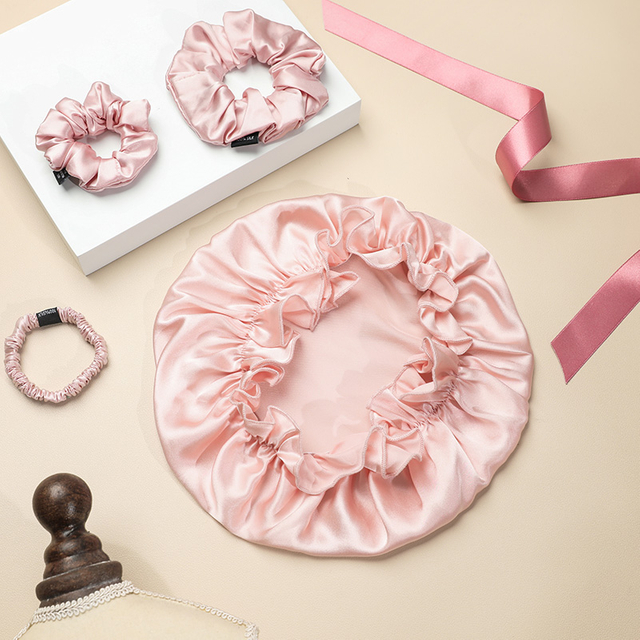
● Consider pairing bonnets with silk scrunchies or silk hair wraps as a set.
● Display care instructions clearly. Taihu Snow's guide on how to wash a silk or satin bonnet can be shared with clients.
When sourcing silk bonnets for a brand or salon, these are the specifications that matter most.
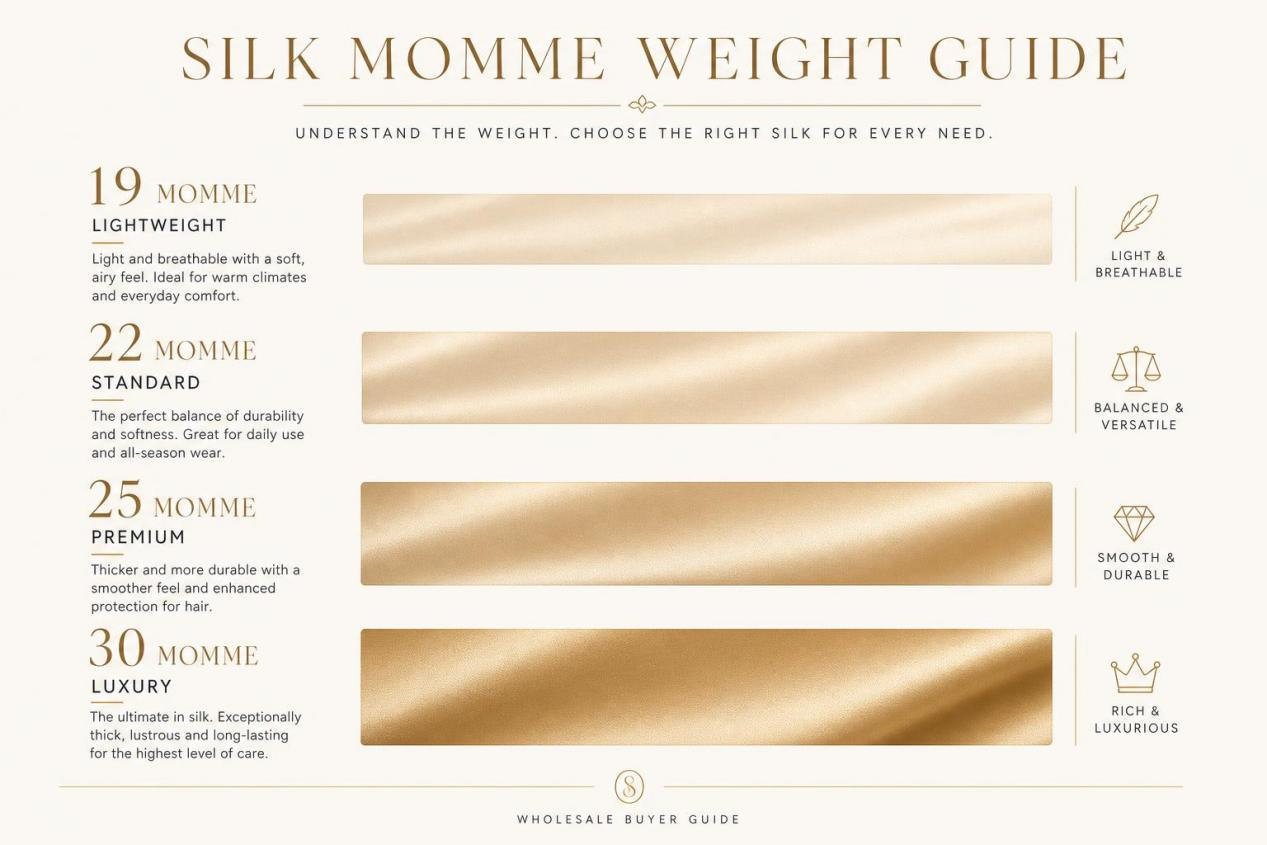
Momme | Characteristics | Best for |
16 momme | Lightweight, more transparent | Budget bonnets, promotional items |
19 momme | Good balance of weight and softness, widest color range (90 or more colors) | Most brands and salons, best color flexibility |
22 momme | Denser, more durable, richer hand feel | Premium brands, higher price point |
25 momme | Heavy and luxurious | Ultra-premium positioning |
Taihu Snow's wholesale silk bonnets are available in 16, 19, 22 and 25 momme options with Grade 6A mulberry silk.
Common styles for B2B sourcing:
● Elastic bonnet (one-piece, simple and popular)
● Knot style bonnet
● Ribbon or tie bonnet
● Double layer bonnet
● Long silk bonnet with wrapped elastic band
● Sleep cap style with adjustable drawstring
Standard sizes include approximately 44 cm and 55 cm circumference. Custom sizes are available for brands needing baby, children, plus size or specific fit requirements. Sizing affects fit, comfort and return rate.
Available options from Taihu Snow include:
● Custom logo embroidery
● Custom woven label
● Custom care label
● Custom packaging: PE bag, gift box, branded packaging
● Custom colors (stock colors available, Pantone dyeing possible at higher MOQ)
Taihu Snow references:
● Wholesale silk bonnets: MOQ 100 pieces per order
● Custom silk bonnets with logo: MOQ from 50 pieces
● Standard stock designs: MOQ as low as 10 to 20 pieces for testing
For brands selling in the EU, US, UK or Australia, safety certification matters. Taihu Snow holds OEKO-TEX Standard 100 certification, which confirms that silk fabrics are tested for harmful substances and safe for skin contact. This is especially important for baby bonnets and products marketed as hypoallergenic.
If you are sharing original designs, brand assets or unreleased packaging concepts with a supplier, review the NDA and confidentiality agreement before sending files.
Many successful haircare brands do not sell bonnets alone. They create bundles and sets that increase average order value and improve gifting potential.
Bundle idea | Products | Channel |
Sleep care set | Silk bonnet plus silk pillowcase | DTC brand, e-commerce |
Curly hair kit | Silk bonnet plus silk scrunchies | Haircare brand, salon |
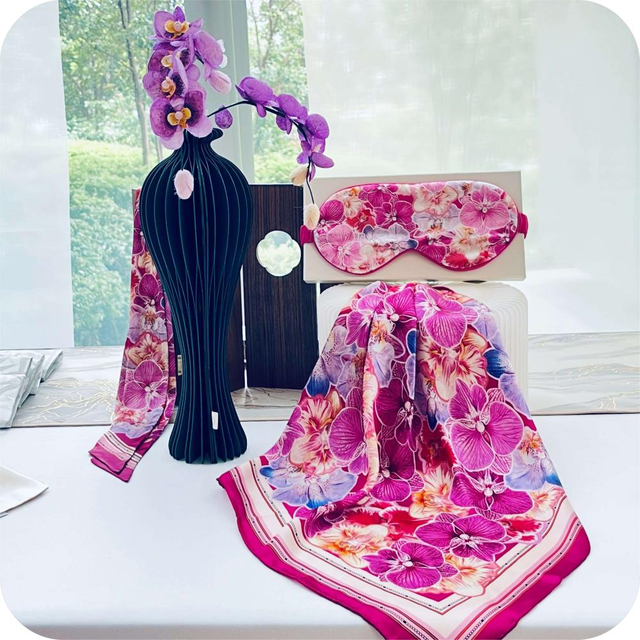
Travel set | Silk bonnet plus silk eye mask plus pouch | Travel brand, corporate gift |
Gift box | Silk bonnet plus pillowcase plus scrunchies | Gift set, holiday campaign |
Salon starter pack | 3 to 5 silk bonnets in neutral colors | Salon retail display |
For gift set and bundle product references, see Taihu Snow's silk pillowcase gift sets.
Whether you choose silk, satin or both, evaluate your supplier on these points:
● Can they clearly explain the material origin, momme weight and grade?
● Can they provide samples before bulk production?
● Can they show test reports or OEKO-TEX documentation?
● Can they support custom logo, label and packaging in one place?
● Can they handle mixed colors and sizes in one order?
● What is their sample lead time and bulk production lead time?
● Can they work with your timeline for launch or seasonal campaigns?
● Do they have experience with brands in your target market?
Taihu Snow Silk, based in Suzhou, China, is a vertical silk manufacturer with a complete production chain from cocoon to finished product. The company supports OEM and ODM for global brands, salons and wholesale buyers. Learn more on the About Taihu Snow Silk page.
From a hair science perspective, real mulberry silk offers superior friction reduction, moisture retention and breathability. However, from a business perspective, the best material depends on your brand positioning, target customer and price strategy. Some brands succeed with satin at an accessible price point. Others differentiate with premium silk.
No. Using "silk" to describe a polyester satin product is misleading and may violate consumer protection regulations in some markets. If your product is satin, label it as satin. If it is real silk, specify the material and momme weight.
19 momme is the most popular choice for brands because it offers a good balance of quality, color range and cost. 22 momme is recommended for premium positioning. 16 momme is suitable for budget-friendly or promotional bonnets.
At Taihu Snow, custom silk bonnets with logo start from 50 pieces. Wholesale orders of standard styles have a minimum of 100 pieces. Small test orders of 10 to 20 pieces are also available for new brands.
Yes, many brands use a tiered product line. The key is to communicate the material difference clearly on your product pages, packaging and marketing so customers understand what they are buying.
If your brand is positioned as premium, natural or salon-grade, start with silk. If you need to test the market at a lower price point before investing, start with satin and plan to add silk later.
Include care instructions on a sewn-in label and optional insert card. Hand washing with mild detergent and air drying is standard for silk bonnets. For detailed guidance, see Taihu Snow's article on how to wash a silk or satin bonnet.
If you are developing a bonnet product line, start by clarifying your material choice, target customer, price tier and branding needs. Then request samples to compare quality before committing to a bulk order.
To explore wholesale silk bonnet styles, visit the wholesale silk bonnets collection.
To develop custom silk bonnets with your own logo, label and packaging, visit the custom silk bonnets page.
To discuss your project with the Taihu Snow team, visit the wholesale silk products hub.