Views: 0 Author: Kathy Yee Publish Time: 2026-02-10 Origin: Site


The best silk bonnet for sleeping protects your hair from friction and moisture loss while staying securely in place throughout the night. Quality materials, proper fit, and thoughtful design work together to reduce frizz and prevent breakage.
At Taihu Snow Silk, silk bonnet is one of our core products. A Suzhou-based mulberry silk manufacturer founded in 2002 and publicly listed (Stock Code 920262), we produce OEKO-TEX certified 6A silk bonnet for brands and retailers in 50+ countries, from our own mulberry farms to your finished, branded product.
A silk bonnet provides nighttime hair protection by creating a smooth surface that reduces friction between your hair and your pillow. Cotton pillowcases absorb moisture from your hair and create rough contact that damages the hair cuticle.
Silk bonnets keep your hair hydrated by retaining moisture instead of pulling it away. The smooth texture stops hair from tangling and snagging during sleep.
This matters most for curly hair and textured hair, which are prone to dryness and damage. Straight and fine hair also benefit because silk reduces split ends and maintains shine.
Your hair stays protected from these common overnight problems:
· Friction damage from tossing and turning
· Moisture loss that leads to dry, brittle strands
· Tangles that cause breakage when you brush in the morning
· Frizz from rough fabric contact
Real silk is a natural protein fiber that helps maintain your hair's protein structure. This keeps your curl pattern intact and your hair feeling soft.
Pure mulberry silk bonnets work especially well because they contain the smoothest, longest silk fibers.
Material quality determines how well your bonnet protects hair overnight. Pure silk offers natural moisture retention and temperature control.
Satin bonnets cost less and still reduce friction, but silk provides unique benefits for hair health. Look for bonnets made from 100 percent silk or high-quality satin.
Fit and security keep your bonnet from slipping off during sleep. Adjustable ties or elastic bands help you customize the fit to your head size.
Wide bands protect your edges without creating pressure on your hairline. Double-lined designs add durability and stay in place better than single-layer options.
Feature | Why It Matters |
Adjustable ties | Fits different head sizes and hair volumes |
Elastic band | Keeps bonnet secure without being too tight |
Size options | Accommodates long hair , braids, or locs |
The bonnet size must match your hair length and volume. Short hair fits in standard sizes, but long hair or protective styles need extra room.
A bonnet that's too small will slip off or compress your hair. One that's too large won't stay on throughout the night.
Many people think silk bonnets only work for curly hair. This isn't true.
All hair types benefit from reduced friction and moisture retention. Fine hair becomes less prone to breakage, and straight hair maintains its smoothness without morning frizz.
Satin and silk are not the same thing. Silk is a natural fiber from silkworms, while satin describes a weaving technique that can use silk or synthetic fibers.
A satin bonnet might be made from polyester, which doesn't provide the same breathability as natural silk. Both reduce friction, but silk offers better temperature control and moisture balance.
Some believe expensive bonnets work better than budget options. Price doesn't always indicate quality.
A well-made satin bonnet under $15 can protect your hair just as well as pricier silk options. Focus on secure fit, proper sizing, and smooth fabric rather than cost alone.
You don't need to wear a bonnet if you already use a silk pillowcase. This is false.
Using both provides extra protection, especially if you move around during sleep. The bonnet keeps hair contained and protected even when your head shifts off the pillowcase.
Another myth suggests bonnets ruin hairstyles. The opposite is true.
A properly fitted silk bonnet helps maintain blowouts, curls, and braids longer. You'll need less daily heat styling and manipulation, which actually improves your hair care routine.
Silk bonnets outperform satin options in friction reduction, moisture retention, and breathability. Satin bonnets offer a budget-friendly alternative with basic hair protection.
Real silk is made from 100% natural protein fibers produced by silkworms. A silk bonnet creates 43% less friction than cotton, which helps prevent frizz and breakage while you sleep.
The smooth texture protects hair overnight without pulling or snagging. Pure mulberry silk retains moisture better than any synthetic material.
Your hair stays hydrated because silk doesn't absorb natural oils from your strands. This makes silk bonnets ideal for curly hair, textured hair, and anyone prone to dryness.
Silk fabric is breathable and regulates temperature naturally. You won't overheat during the night, which matters if you're a hot sleeper.
The material is also hypoallergenic, so it works well for sensitive scalps. A quality silk bonnet lasts up to 10 years with proper care.
You can hand wash it with mild detergent in cold water and hang it to dry. While silk costs more upfront, the durability makes it worth the investment for long-term hair health.
Satin bonnets are typically made from synthetic fibers like polyester, rayon, or nylon. These materials create a smooth surface that reduces friction better than cotton but not as well as silk.
A satin hair bonnet costs less than silk options, which makes it accessible if you're on a budget. The synthetic weave in a satin bonnet doesn't breathe like natural materials.
This can trap heat against your scalp during sleep. Satin also absorbs less moisture than cotton, but it doesn't retain your hair's natural oils the way silk does.
A best satin bonnet will still help protect hair from tangles and split ends. The material works fine for straight hair or low-maintenance styles.
You can find satin options with adjustable straps or elastic bands that stay on throughout the night. Satin bonnets wear out faster than silk.
The synthetic fibers break down with regular washing and use. You'll need to replace a satin sleep cap more frequently, which adds up over time even though each one costs less.
Feature | Silk Bonnet | Satin Bonnet |
Material | Natural protein fiber | Synthetic (polyester, rayon) |
Friction reduction | High (43% less than cotton) | Medium |
Moisture retention | Excellent | Low |
Breathability | High | Low |
Durability | Up to 10 years | 1-2 years |
Price | Higher | Lower |
The biggest difference is that silk is a natural material while satin uses synthetic fibers. This affects how each bonnet interacts with your hair overnight.
Silk reduces friction more effectively and helps maintain moisture levels in your strands. Silk bonnets work better for all hair types but especially benefit curly hair and natural hair textures.
The smooth surface prevents frizz and keeps curls defined. You can even pair your silk bonnet with a silk pillowcase for complete hair protection during sleep.
Satin bonnets serve as a decent entry-level option or backup sleep cap. They're good for protecting basic styles or keeping fine hair smooth.
However, they don't offer the same level of hair care benefits that real silk provides for maintaining healthy hair long-term.
Silk bonnets come in several distinct styles, each designed to address different hair types and preferences. The main categories include classic elasticized designs, turban-style wraps, and fitted sleep caps that offer varying levels of coverage and security.
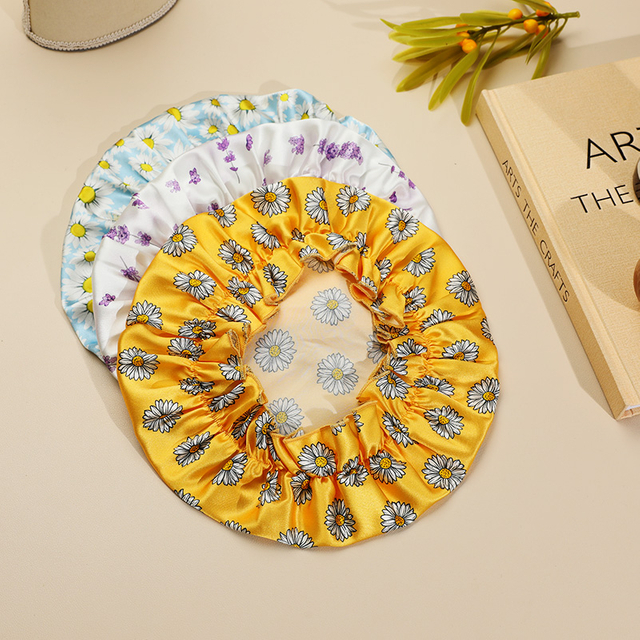
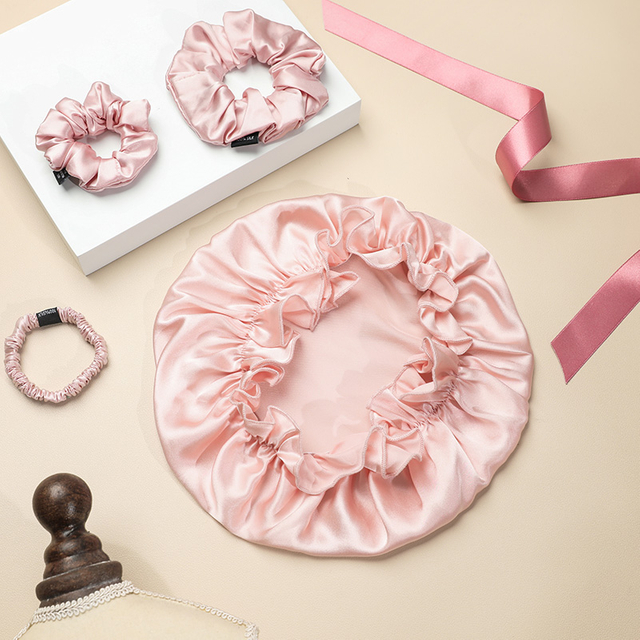
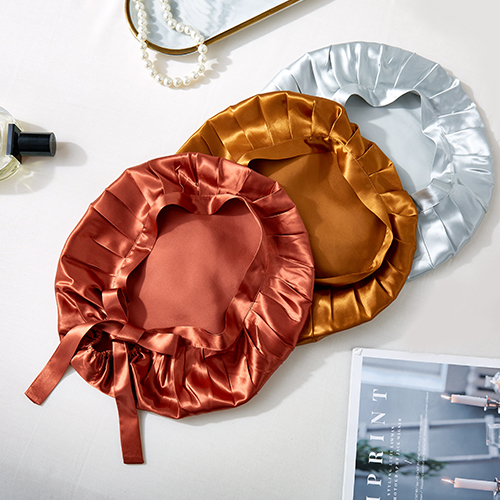
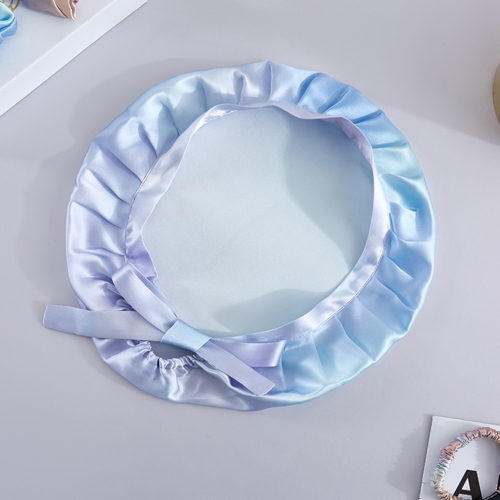
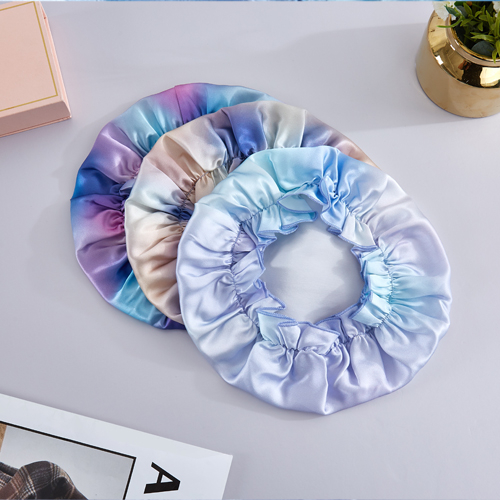
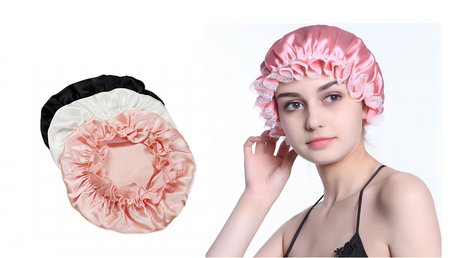
Classic silk bonnets feature a rounded shape with an elastic band that sits around the hairline. These bonnets typically use pure mulberry silk or satin fabric and come in various sizes to fit different hair volumes.
Most classic designs include an adjustable drawstring or elastic band to secure the bonnet during sleep. The elastic sits at the front edge to keep the bonnet in place without causing red lines or indentations on your forehead.
Standard features include:
· Single or double-layer construction
· Wide elastic bands for better grip
· Roomier fit for thick or long hair
· Dome-shaped design to contain all hair types
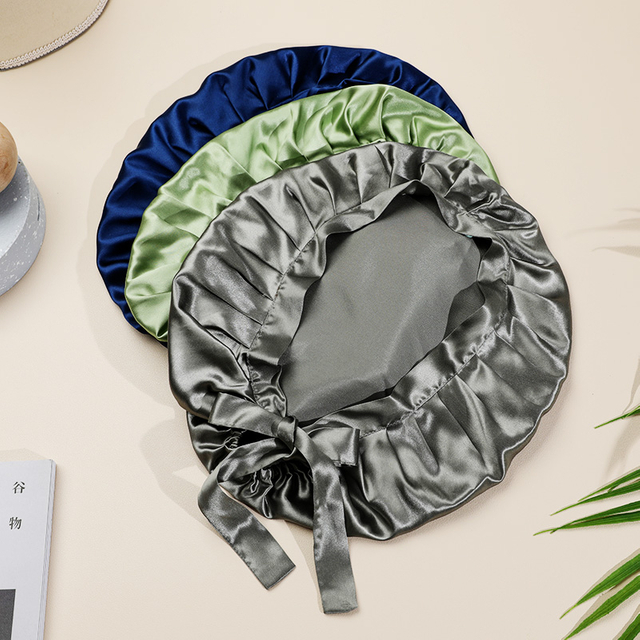
Some classic silk bonnets use tie closures instead of elastic bands. These tie bonnets let you adjust the tightness to prevent slipping off during sleep.
The adjustable nature makes them work well for people with different head sizes or hair volumes. Classic designs work best for curly hair, textured hair, and protective styles like braids or locs.
The spacious interior prevents hair from tangling while the smooth silk fabric reduces friction against your hair overnight.
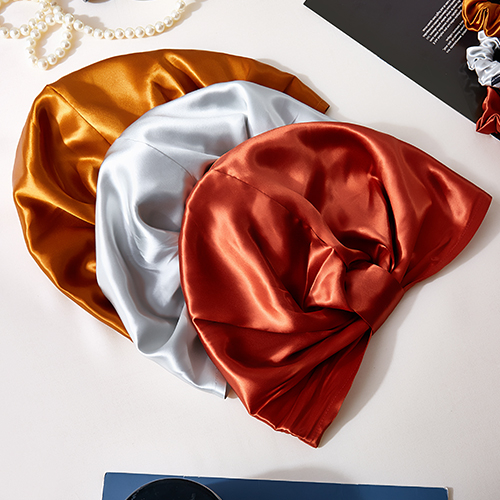
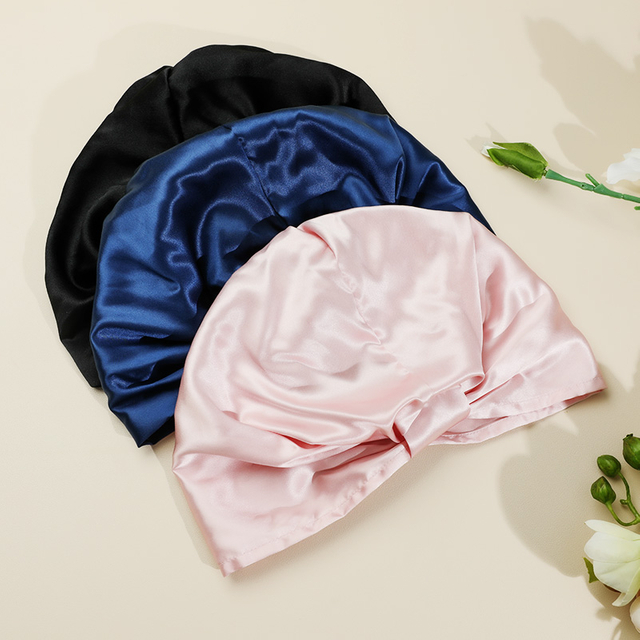
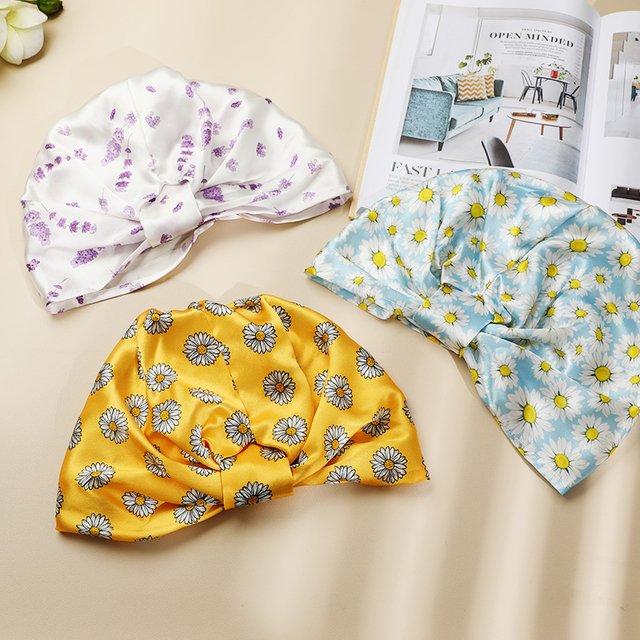
Silk turbans and wraps offer a more fitted alternative to traditional bonnets. A silk turban wraps closer to the head with fabric that gathers at the front or top, creating a sleek profile without excess material.
The pure silk turban design uses an elastic band at the base while the fabric drapes in a more structured way. This style prevents the "chef hat" look that some people dislike about classic bonnets.
Silk hair wraps stay in place better for active sleepers who move around during the night.
Key differences from classic bonnets:
Feature | Classic Bonnet | Turban Style |
Fit | Loose and roomy | Snug and fitted |
Fabric amount | More material | Less excess fabric |
Best for | Thick, long, curly hair | Fine hair, shorter styles |
Security | May shift during sleep | Stays put better |
Turban-style options work well for people with fine hair or shorter hairstyles who don't need as much room. The tighter fit helps maintain edges and keeps baby hair laid flat.
Some silk hair wrap designs feature a knotted front detail that adds style while providing function.
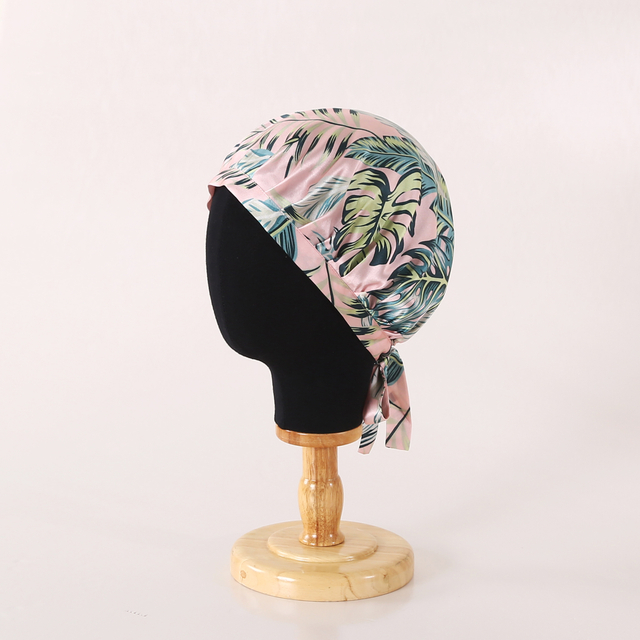
Silk sleep caps differ from bonnets by fitting more snugly against the scalp with less volume. A silk sleep cap typically has a fitted shape similar to a swimming cap but made from soft silk fabric.
These caps work best for people with shorter hair or straight and fine hair types. The close fit prevents the cap from slipping off but may not accommodate bulky styles like rollers or thick braids.
Sleep caps often use a thin elastic band that sits flush against the head. Alternative options include:
· Silk hair wraps that tie at the nape
· Headband-style silk bonnets
· Silk scarves wrapped and secured
· Hybrid designs combining cap and bonnet features
Some people prefer using a silk pillowcase along with a sleep cap for extra protection. The combination helps maintain hairstyles while reducing frizz and breakage from multiple angles.
Real silk sleep caps made from 100% mulberry silk offer better breathability than satin alternatives. This matters for people who sleep hot or wear their hair bonnet for sleeping every night.
The natural silk fabric regulates temperature better and helps hair retain moisture without trapping heat against your scalp.
Several brands stand out for their quality construction and ability to protect hair overnight. The best options combine secure fit with premium materials that reduce frizz and breakage.
Sleepy Tie The Luxe Bonnet ranks as a top choice with its adjustable spandex bow tie that keeps the bonnet secure throughout the night. This design solves the common problem of bonnets slipping off during sleep.
The roomy fit works well for thick hair, long hair, or when using hair tools like curlers. Slip Pure Silk Turban offers a stylish alternative to traditional bonnets with its turban-style design.
Made from pure silk, it helps prevent frizz while looking attractive enough to wear around the house. The elastic band makes it easy to put on, though active sleepers may need to readjust it occasionally.
LilySilk Elastic Bonnet features a flat design at the front that prevents red lines and marks on your forehead. The adjustable elastic drawstring lets you customize the fit based on your head size and hair volume.
This bonnet works well if you need to leave the house quickly after waking up.
Glow by Daye Satin Bonnet was specifically designed for natural hair types, braids, and protective styles. The high-grade satin material protects against split ends and helps maintain moisture in textured hair.
Its extra-large fit accommodates long hair and thick curls, though some users with very voluminous styles may still need more room. Yanibest Sleeping Bonnet excels at maintaining edges and keeping baby hair laid with its large spandex band.
The soft satin reduces frizz and helps retain moisture in hair that's prone to dryness. The extended band also minimizes forehead marks, making it practical for daily use.
Kitsch Satin Bonnet provides an oversized XL option ideal for very thick curly hair, long braids, or locs. The adjustable band keeps it secure while the soft satin fabric protects hair health.
This bonnet works best for those who need maximum coverage rather than those with fine hair.
The right silk bonnet depends on how it fits your head, works with your hair type, and accommodates your hair length. These three factors determine whether a bonnet stays on all night and protects your hair effectively.
A bonnet that slips off during sleep can't protect your hair. Look for adjustable features like tie bands or button closures that let you customize the fit.
These systems work better than standard elastic bands, which either squeeze too tight or slide off when you move. Wide elastic bands distribute pressure more evenly across your head.
This prevents headaches and forehead marks while keeping the bonnet secure. The band should feel snug but not tight when you first put it on.
The fabric should feel smooth against your skin without bunching or pulling. Real silk offers natural temperature control that keeps you comfortable through the night.
Satin works well too, though it may not breathe as well as natural silk. Test the bonnet by moving your head from side to side.
It should stay in place without shifting. If you sleep on your side or move a lot at night, prioritize bonnets with adjustable tie systems over elastic-only options.
Curly hair needs bonnets with enough room to preserve curl patterns without crushing them. Look for spacious designs that don't flatten your curls or cause weird dents.
The smooth surface of silk reduces friction that leads to frizz and helps curly hair retain moisture overnight. Locs and braids require larger bonnets with stretchy openings.
The bonnet should fully cover your hair without forcing it into tight spaces. This protects your style while preventing the pulling that can damage your edges.
Long hair benefits from bonnets with extra depth. Your hair should fit comfortably inside without pushing against the top or sides.
Some bonnets have a gathered design at the back that creates more space for length. Fine or straight hair works well with lighter single-layer bonnets.
These prevent breakage and split ends without adding bulk. The silk fabric helps keep hair smooth and reduces tangles that form during sleep.
Most bonnets come in standard or large sizes. Measure your head circumference to pick the right size.
A too-small bonnet won't contain all your hair. A too-large bonnet slides around and falls off.
Hair length matters more than volume for some styles. If your hair reaches past your shoulders, you need a deeper bonnet that extends down your neck.
This ensures all your ends stay protected inside. Some bonnets list their interior capacity in inches.
Compare this measurement to your hair length when it's gathered or pulled back. Add a few extra inches to make sure everything fits comfortably.
Double-layer bonnets provide extra protection but take up more space. They work well for thick or textured hair prone to dryness.
Single-layer options suit people who get too warm at night or have less hair volume.
Mulberry silk stands apart from other fabrics because of how it's made and what it does for your hair. The long, pure fibers create a smooth surface that protects while you sleep, and knowing the difference between grades helps you pick the right bonnet.
Mulberry silk comes from silkworms that eat only mulberry leaves. This single-food diet matters more than you might think.
The worms produce longer, more uniform fibers than silkworms fed mixed diets. These longer fibers get woven into fabric with fewer breaks and bumps.
When you run your hand across 100% mulberry silk, you feel a smoothness that cheaper silk can't match. That texture isn't just nice to touch—it's what keeps your hair from snagging while you move at night.
The protein structure in mulberry silk also sits closer to the protein in human hair. Your hair bonnet won't strip moisture the way cotton does.
Instead, it lets your strands hold onto their natural oils and any products you applied before bed.
A 100% mulberry silk bonnet cuts friction by about 43% compared to cotton pillowcases. Less friction means less breakage, fewer split ends, and way less frizz when you wake up.
Your hair stays hydrated because silk doesn't absorb moisture. Cotton pulls water and oils straight out of your strands.
Real silk leaves them alone. If you have curly hair, textured hair, or color-treated hair that's prone to dryness, this makes a huge difference.
Silk also regulates temperature better than synthetic satin. You won't wake up sweaty in summer or cold in winter.
The fabric breathes while still protecting every hair type—straight, wavy, curls, braids, or locs. Mulberry silk is naturally hypoallergenic too.
It resists dust mites and mold, so your silk bonnet for sleeping stays cleaner longer and won't irritate sensitive skin.
Momme measures silk weight and density. Higher momme means thicker, stronger fabric.
Most quality bonnets use 19 to 22 momme mulberry silk. Anything under 19 feels flimsy and tears easily.
Anything over 25 gets too heavy and stiff for a sleep cap. 22 momme mulberry silk hits the sweet spot.
It's durable enough to last years of washing but still light enough to wear comfortably all night. Silk grades run from 3A to 6A.
Grade 6A mulberry silk is the highest you can buy. It has the longest fibers, the fewest imperfections, and the smoothest finish.
Lower grades (3A or 4A) use shorter fibers that pill faster and feel rougher against your hair. When you shop, look for both numbers.
A bonnet made from 100% grade 6A, 22-momme mulberry silk will protect your hair better and last longer than cheaper options.
Proper care extends the life of your silk bonnet and keeps it working well to protect your hair. Regular washing and smart daily habits help your sleep bonnet stay soft and effective.
Wash your silk bonnet every one to two weeks to remove oil buildup and product residue. Hand washing works best for silk bonnets.
Fill a basin with cool or lukewarm water. Add a small amount of mild detergent made for delicate fabrics or real silk.
Avoid regular laundry detergent because it can damage the silk fibers. Submerge your hair bonnet and gently swirl it in the water for two to three minutes.
Don't twist, wring, or scrub the fabric. These actions can break down the silk structure and reduce its ability to protect hair from frizz and breakage.
Rinse the bonnet under cool running water until all soap is gone. Press the water out gently between your hands.
Don't squeeze hard. Lay your silk bonnet flat on a clean towel to air dry.
Keep it away from direct sunlight and heat sources. Never put your silk hair bonnet in the dryer because high heat damages silk and makes it rough.
Store your silk bonnet for sleeping in a clean, dry place when not in use. A drawer or shelf works well.
Keep it away from rough surfaces that can snag the delicate fabric. Avoid wearing hair products with heavy oils or alcohols right before bed.
These can stain your bonnet and require more frequent washing. If you use leave-in treatments, let them absorb for a few minutes before putting on your bonnet.
Check the elastic band regularly for signs of wear. A loose band means your bonnet might slip off during sleep.
Replace your silk bonnet when the elastic stretches out or the fabric develops holes. Handle your hair bonnet gently when putting it on and taking it off.
Pull from the band rather than the fabric itself. This keeps the silk from stretching or tearing at the seams.
Silk bonnets protect hair from friction and moisture loss while you sleep. Understanding material differences, fit options, and specific benefits helps you choose the right bonnet for your hair type and needs.
Wearing a silk bonnet reduces friction between your hair and pillowcase throughout the night. This lower friction helps prevent breakage, split ends, and frizz that cotton pillowcases typically cause.
Silk bonnets help your hair retain moisture because silk doesn't absorb natural oils like cotton does. Your hair stays hydrated and healthy instead of drying out overnight.
Hair bonnets help maintain your hairstyle longer between washes. Curls stay defined, straight hair remains smooth, and protective styles like braids last longer without needing touch-ups.
Wearing a bonnet at night reduces tangles significantly. You wake up with smoother, more manageable hair that requires less styling time in the morning.
Mulberry silk comes from silkworms fed only mulberry leaves, creating the highest quality silk fiber. This pure silk is smoother and more durable than other silk types.
A mulberry silk bonnet provides better temperature regulation than synthetic materials. The natural protein fibers breathe well and keep your scalp comfortable without overheating.
Pure mulberry silk bonnets are naturally hypoallergenic and gentle on sensitive skin. They contain no harsh chemicals or synthetic materials that might irritate your scalp.
Real silk retains less moisture from your hair compared to satin bonnets made from polyester. Your hair keeps more of its natural oils, which is especially important for hair prone to dryness.
Bonnets with adjustable tie bands work best for curly hair because they accommodate volume without crushing your curls. The adjustable feature lets you create enough space for your hair while keeping the bonnet secure.
Look for bonnets made from 100% mulberry silk or high-quality satin with double-layer construction. These materials provide extra protection that helps maintain curl definition overnight.
Large bonnets with spacious interiors prevent your curls from getting flattened. Textured hair needs more room than straight hair, so size matters when choosing a bonnet for curly hair.
Bonnets with wide elastic bands or adjustable closures stay on better during sleep without pulling or damaging curl patterns. A secure fit prevents the bonnet from slipping off during the night.
A silk bonnet provides complete coverage that fully protects all your hair from friction. A silk pillowcase only reduces friction on the side where your head rests.
Bonnets keep your hair contained and prevent it from tangling with itself during sleep. Even with a silk pillowcase, loose hair can still knot and tangle as you move around.
Using a silk bonnet is more practical if you share a bed or move frequently during sleep. You get consistent protection regardless of your sleeping position or whether you stay on the pillowcase.
Silk pillowcases do offer some benefits for your skin and hair, but they can't match the targeted hair protection that a bonnet provides. Combining both gives you the best results for hair health.
Choose bonnets with adjustable features like tie bands or button systems that let you customize the fit. These prevent the bonnet from slipping off during sleep while avoiding uncomfortable pressure.
Check whether the bonnet uses real mulberry silk or high-quality satin material. Pure silk offers the best hair benefits, but good satin can work well at a lower price point.
Look for double-layer construction if you have thick or textured hair that needs extra protection. Single-layer bonnets work fine for straight and fine hair types.
Make sure the bonnet has enough interior space for your hair volume and length. A bonnet that's too small will crush your hairstyle and feel uncomfortable.
Consider bonnets with wide elastic bands that distribute pressure evenly around your head. This prevents marks on your forehead and helps the bonnet stay on throughout the night.
Mulberry silk is a natural fiber made from protein. Most satin bonnets use synthetic polyester fibers.
Natural silk breathes better and regulates temperature more effectively than synthetic materials. Pure silk retains less moisture from your hair compared to satin, helping your hair stay better hydrated.
This matters most for curly hair and textured hair prone to dryness. Both materials reduce friction effectively when they're high quality.
The smoothness of either fabric helps prevent frizz and breakage compared to cotton pillowcases. Mulberry silk bonnets typically cost more but last longer with proper care.
Satin bonnets offer solid protection at a more affordable price, making them good options for daily use. Real silk has natural hypoallergenic properties that synthetic satin lacks.
If you have sensitive skin or scalp issues, pure mulberry silk is the better choice for your hair care routine.
A silk bonnet provides nighttime hair protection by creating a smooth surface that reduces friction between your hair and your pillow. Cotton pillowcases absorb moisture from your hair and create rough contact that damages the hair cuticle.
Silk bonnets keep your hair hydrated by retaining moisture instead of pulling it away. The smooth texture stops hair from tangling and snagging during sleep.
This matters most for curly hair and textured hair, which are prone to dryness and damage. Straight and fine hair also benefit because silk reduces split ends and maintains shine.
Your hair stays protected from these common overnight problems:
· Friction damage from tossing and turning
· Moisture loss that leads to dry, brittle strands
· Tangles that cause breakage when you brush in the morning
· Frizz from rough fabric contact
Real silk is a natural protein fiber that helps maintain your hair's protein structure. This keeps your curl pattern intact and your hair feeling soft.
Pure mulberry silk bonnets work especially well because they contain the smoothest, longest silk fibers.
Material quality determines how well your bonnet protects hair overnight. Pure silk offers natural moisture retention and temperature control.
Satin bonnets cost less and still reduce friction, but silk provides unique benefits for hair health. Look for bonnets made from 100 percent silk or high-quality satin.
Fit and security keep your bonnet from slipping off during sleep. Adjustable ties or elastic bands help you customize the fit to your head size.
Wide bands protect your edges without creating pressure on your hairline. Double-lined designs add durability and stay in place better than single-layer options.
Feature | Why It Matters |
Adjustable ties | Fits different head sizes and hair volumes |
Elastic band | Keeps bonnet secure without being too tight |
Size options | Accommodates long hair , braids, or locs |
The bonnet size must match your hair length and volume. Short hair fits in standard sizes, but long hair or protective styles need extra room.
A bonnet that's too small will slip off or compress your hair. One that's too large won't stay on throughout the night.
Many people think silk bonnets only work for curly hair. This isn't true.
All hair types benefit from reduced friction and moisture retention. Fine hair becomes less prone to breakage, and straight hair maintains its smoothness without morning frizz.
Satin and silk are not the same thing. Silk is a natural fiber from silkworms, while satin describes a weaving technique that can use silk or synthetic fibers.
A satin bonnet might be made from polyester, which doesn't provide the same breathability as natural silk. Both reduce friction, but silk offers better temperature control and moisture balance.
Some believe expensive bonnets work better than budget options. Price doesn't always indicate quality.
A well-made satin bonnet under $15 can protect your hair just as well as pricier silk options. Focus on secure fit, proper sizing, and smooth fabric rather than cost alone.
You don't need to wear a bonnet if you already use a silk pillowcase. This is false.
Using both provides extra protection, especially if you move around during sleep. The bonnet keeps hair contained and protected even when your head shifts off the pillowcase.
Another myth suggests bonnets ruin hairstyles. The opposite is true.
A properly fitted silk bonnet helps maintain blowouts, curls, and braids longer. You'll need less daily heat styling and manipulation, which actually improves your hair care routine.
Silk bonnets outperform satin options in friction reduction, moisture retention, and breathability. Satin bonnets offer a budget-friendly alternative with basic hair protection.
Real silk is made from 100% natural protein fibers produced by silkworms. A silk bonnet creates 43% less friction than cotton, which helps prevent frizz and breakage while you sleep.
The smooth texture protects hair overnight without pulling or snagging. Pure mulberry silk retains moisture better than any synthetic material.
Your hair stays hydrated because silk doesn't absorb natural oils from your strands. This makes silk bonnets ideal for curly hair, textured hair, and anyone prone to dryness.
Silk fabric is breathable and regulates temperature naturally. You won't overheat during the night, which matters if you're a hot sleeper.
The material is also hypoallergenic, so it works well for sensitive scalps. A quality silk bonnet lasts up to 10 years with proper care.
You can hand wash it with mild detergent in cold water and hang it to dry. While silk costs more upfront, the durability makes it worth the investment for long-term hair health.
Satin bonnets are typically made from synthetic fibers like polyester, rayon, or nylon. These materials create a smooth surface that reduces friction better than cotton but not as well as silk.
A satin hair bonnet costs less than silk options, which makes it accessible if you're on a budget. The synthetic weave in a satin bonnet doesn't breathe like natural materials.
This can trap heat against your scalp during sleep. Satin also absorbs less moisture than cotton, but it doesn't retain your hair's natural oils the way silk does.
A best satin bonnet will still help protect hair from tangles and split ends. The material works fine for straight hair or low-maintenance styles.
You can find satin options with adjustable straps or elastic bands that stay on throughout the night. Satin bonnets wear out faster than silk.
The synthetic fibers break down with regular washing and use. You'll need to replace a satin sleep cap more frequently, which adds up over time even though each one costs less.
Feature | Silk Bonnet | Satin Bonnet |
Material | Natural protein fiber | Synthetic (polyester, rayon) |
Friction reduction | High (43% less than cotton) | Medium |
Moisture retention | Excellent | Low |
Breathability | High | Low |
Durability | Up to 10 years | 1-2 years |
Price | Higher | Lower |
The biggest difference is that silk is a natural material while satin uses synthetic fibers. This affects how each bonnet interacts with your hair overnight.
Silk reduces friction more effectively and helps maintain moisture levels in your strands. Silk bonnets work better for all hair types but especially benefit curly hair and natural hair textures.
The smooth surface prevents frizz and keeps curls defined. You can even pair your silk bonnet with a silk pillowcase for complete hair protection during sleep.
Satin bonnets serve as a decent entry-level option or backup sleep cap. They're good for protecting basic styles or keeping fine hair smooth.
However, they don't offer the same level of hair care benefits that real silk provides for maintaining healthy hair long-term.
Silk bonnets come in several distinct styles, each designed to address different hair types and preferences. The main categories include classic elasticized designs, turban-style wraps, and fitted sleep caps that offer varying levels of coverage and security.
Classic silk bonnets feature a rounded shape with an elastic band that sits around the hairline. These bonnets typically use pure mulberry silk or satin fabric and come in various sizes to fit different hair volumes.
Most classic designs include an adjustable drawstring or elastic band to secure the bonnet during sleep. The elastic sits at the front edge to keep the bonnet in place without causing red lines or indentations on your forehead.
Standard features include:
· Single or double-layer construction
· Wide elastic bands for better grip
· Roomier fit for thick or long hair
· Dome-shaped design to contain all hair types
Some classic silk bonnets use tie closures instead of elastic bands. These tie bonnets let you adjust the tightness to prevent slipping off during sleep.
The adjustable nature makes them work well for people with different head sizes or hair volumes. Classic designs work best for curly hair, textured hair, and protective styles like braids or locs.
The spacious interior prevents hair from tangling while the smooth silk fabric reduces friction against your hair overnight.
Silk turbans and wraps offer a more fitted alternative to traditional bonnets. A silk turban wraps closer to the head with fabric that gathers at the front or top, creating a sleek profile without excess material.
The pure silk turban design uses an elastic band at the base while the fabric drapes in a more structured way. This style prevents the "chef hat" look that some people dislike about classic bonnets.
Silk hair wraps stay in place better for active sleepers who move around during the night.
Key differences from classic bonnets:
Feature | Classic Bonnet | Turban Style |
Fit | Loose and roomy | Snug and fitted |
Fabric amount | More material | Less excess fabric |
Best for | Thick, long, curly hair | Fine hair, shorter styles |
Security | May shift during sleep | Stays put better |
Turban-style options work well for people with fine hair or shorter hairstyles who don't need as much room. The tighter fit helps maintain edges and keeps baby hair laid flat.
Some silk hair wrap designs feature a knotted front detail that adds style while providing function.
Silk sleep caps differ from bonnets by fitting more snugly against the scalp with less volume. A silk sleep cap typically has a fitted shape similar to a swimming cap but made from soft silk fabric.
These caps work best for people with shorter hair or straight and fine hair types. The close fit prevents the cap from slipping off but may not accommodate bulky styles like rollers or thick braids.
Sleep caps often use a thin elastic band that sits flush against the head. Alternative options include:
· Silk hair wraps that tie at the nape
· Headband-style silk bonnets
· Silk scarves wrapped and secured
· Hybrid designs combining cap and bonnet features
Some people prefer using a silk pillowcase along with a sleep cap for extra protection. The combination helps maintain hairstyles while reducing frizz and breakage from multiple angles.
Real silk sleep caps made from 100% mulberry silk offer better breathability than satin alternatives. This matters for people who sleep hot or wear their hair bonnet for sleeping every night.
The natural silk fabric regulates temperature better and helps hair retain moisture without trapping heat against your scalp.
Several brands stand out for their quality construction and ability to protect hair overnight. The best options combine secure fit with premium materials that reduce frizz and breakage.
Sleepy Tie The Luxe Bonnet ranks as a top choice with its adjustable spandex bow tie that keeps the bonnet secure throughout the night. This design solves the common problem of bonnets slipping off during sleep.
The roomy fit works well for thick hair, long hair, or when using hair tools like curlers. Slip Pure Silk Turban offers a stylish alternative to traditional bonnets with its turban-style design.
Made from pure silk, it helps prevent frizz while looking attractive enough to wear around the house. The elastic band makes it easy to put on, though active sleepers may need to readjust it occasionally.
LilySilk Elastic Bonnet features a flat design at the front that prevents red lines and marks on your forehead. The adjustable elastic drawstring lets you customize the fit based on your head size and hair volume.
This bonnet works well if you need to leave the house quickly after waking up.
Glow by Daye Satin Bonnet was specifically designed for natural hair types, braids, and protective styles. The high-grade satin material protects against split ends and helps maintain moisture in textured hair.
Its extra-large fit accommodates long hair and thick curls, though some users with very voluminous styles may still need more room. Yanibest Sleeping Bonnet excels at maintaining edges and keeping baby hair laid with its large spandex band.
The soft satin reduces frizz and helps retain moisture in hair that's prone to dryness. The extended band also minimizes forehead marks, making it practical for daily use.
Kitsch Satin Bonnet provides an oversized XL option ideal for very thick curly hair, long braids, or locs. The adjustable band keeps it secure while the soft satin fabric protects hair health.
This bonnet works best for those who need maximum coverage rather than those with fine hair.
The right silk bonnet depends on how it fits your head, works with your hair type, and accommodates your hair length. These three factors determine whether a bonnet stays on all night and protects your hair effectively.
A bonnet that slips off during sleep can't protect your hair. Look for adjustable features like tie bands or button closures that let you customize the fit.
These systems work better than standard elastic bands, which either squeeze too tight or slide off when you move. Wide elastic bands distribute pressure more evenly across your head.
This prevents headaches and forehead marks while keeping the bonnet secure. The band should feel snug but not tight when you first put it on.
The fabric should feel smooth against your skin without bunching or pulling. Real silk offers natural temperature control that keeps you comfortable through the night.
Satin works well too, though it may not breathe as well as natural silk. Test the bonnet by moving your head from side to side.
It should stay in place without shifting. If you sleep on your side or move a lot at night, prioritize bonnets with adjustable tie systems over elastic-only options.
Curly hair needs bonnets with enough room to preserve curl patterns without crushing them. Look for spacious designs that don't flatten your curls or cause weird dents.
The smooth surface of silk reduces friction that leads to frizz and helps curly hair retain moisture overnight. Locs and braids require larger bonnets with stretchy openings.
The bonnet should fully cover your hair without forcing it into tight spaces. This protects your style while preventing the pulling that can damage your edges.
Long hair benefits from bonnets with extra depth. Your hair should fit comfortably inside without pushing against the top or sides.
Some bonnets have a gathered design at the back that creates more space for length. Fine or straight hair works well with lighter single-layer bonnets.
These prevent breakage and split ends without adding bulk. The silk fabric helps keep hair smooth and reduces tangles that form during sleep.
Most bonnets come in standard or large sizes. Measure your head circumference to pick the right size.
A too-small bonnet won't contain all your hair. A too-large bonnet slides around and falls off.
Hair length matters more than volume for some styles. If your hair reaches past your shoulders, you need a deeper bonnet that extends down your neck.
This ensures all your ends stay protected inside. Some bonnets list their interior capacity in inches.
Compare this measurement to your hair length when it's gathered or pulled back. Add a few extra inches to make sure everything fits comfortably.
Double-layer bonnets provide extra protection but take up more space. They work well for thick or textured hair prone to dryness.
Single-layer options suit people who get too warm at night or have less hair volume.
Mulberry silk stands apart from other fabrics because of how it's made and what it does for your hair. The long, pure fibers create a smooth surface that protects while you sleep, and knowing the difference between grades helps you pick the right bonnet.
Mulberry silk comes from silkworms that eat only mulberry leaves. This single-food diet matters more than you might think.
The worms produce longer, more uniform fibers than silkworms fed mixed diets. These longer fibers get woven into fabric with fewer breaks and bumps.
When you run your hand across 100% mulberry silk, you feel a smoothness that cheaper silk can't match. That texture isn't just nice to touch—it's what keeps your hair from snagging while you move at night.
The protein structure in mulberry silk also sits closer to the protein in human hair. Your hair bonnet won't strip moisture the way cotton does.
Instead, it lets your strands hold onto their natural oils and any products you applied before bed.
A 100% mulberry silk bonnet cuts friction by about 43% compared to cotton pillowcases. Less friction means less breakage, fewer split ends, and way less frizz when you wake up.
Your hair stays hydrated because silk doesn't absorb moisture. Cotton pulls water and oils straight out of your strands.
Real silk leaves them alone. If you have curly hair, textured hair, or color-treated hair that's prone to dryness, this makes a huge difference.
Silk also regulates temperature better than synthetic satin. You won't wake up sweaty in summer or cold in winter.
The fabric breathes while still protecting every hair type—straight, wavy, curls, braids, or locs. Mulberry silk is naturally hypoallergenic too.
It resists dust mites and mold, so your silk bonnet for sleeping stays cleaner longer and won't irritate sensitive skin.
Momme measures silk weight and density. Higher momme means thicker, stronger fabric.
Most quality bonnets use 19 to 22 momme mulberry silk. Anything under 19 feels flimsy and tears easily.
Anything over 25 gets too heavy and stiff for a sleep cap. 22 momme mulberry silk hits the sweet spot.
It's durable enough to last years of washing but still light enough to wear comfortably all night. Silk grades run from 3A to 6A.
Grade 6A mulberry silk is the highest you can buy. It has the longest fibers, the fewest imperfections, and the smoothest finish.
Lower grades (3A or 4A) use shorter fibers that pill faster and feel rougher against your hair. When you shop, look for both numbers.
A bonnet made from 100% grade 6A, 22-momme mulberry silk will protect your hair better and last longer than cheaper options.
Proper care extends the life of your silk bonnet and keeps it working well to protect your hair. Regular washing and smart daily habits help your sleep bonnet stay soft and effective.
Wash your silk bonnet every one to two weeks to remove oil buildup and product residue. Hand washing works best for silk bonnets.
Fill a basin with cool or lukewarm water. Add a small amount of mild detergent made for delicate fabrics or real silk.
Avoid regular laundry detergent because it can damage the silk fibers. Submerge your hair bonnet and gently swirl it in the water for two to three minutes.
Don't twist, wring, or scrub the fabric. These actions can break down the silk structure and reduce its ability to protect hair from frizz and breakage.
Rinse the bonnet under cool running water until all soap is gone. Press the water out gently between your hands.
Don't squeeze hard. Lay your silk bonnet flat on a clean towel to air dry.
Keep it away from direct sunlight and heat sources. Never put your silk hair bonnet in the dryer because high heat damages silk and makes it rough.
Store your silk bonnet for sleeping in a clean, dry place when not in use. A drawer or shelf works well.
Keep it away from rough surfaces that can snag the delicate fabric. Avoid wearing hair products with heavy oils or alcohols right before bed.
These can stain your bonnet and require more frequent washing. If you use leave-in treatments, let them absorb for a few minutes before putting on your bonnet.
Check the elastic band regularly for signs of wear. A loose band means your bonnet might slip off during sleep.
Replace your silk bonnet when the elastic stretches out or the fabric develops holes. Handle your hair bonnet gently when putting it on and taking it off.
Pull from the band rather than the fabric itself. This keeps the silk from stretching or tearing at the seams.
Silk bonnets protect hair from friction and moisture loss while you sleep. Understanding material differences, fit options, and specific benefits helps you choose the right bonnet for your hair type and needs.
Wearing a silk bonnet reduces friction between your hair and pillowcase throughout the night. This lower friction helps prevent breakage, split ends, and frizz that cotton pillowcases typically cause.
Silk bonnets help your hair retain moisture because silk doesn't absorb natural oils like cotton does. Your hair stays hydrated and healthy instead of drying out overnight.
Hair bonnets help maintain your hairstyle longer between washes. Curls stay defined, straight hair remains smooth, and protective styles like braids last longer without needing touch-ups.
Wearing a bonnet at night reduces tangles significantly. You wake up with smoother, more manageable hair that requires less styling time in the morning.
Mulberry silk comes from silkworms fed only mulberry leaves, creating the highest quality silk fiber. This pure silk is smoother and more durable than other silk types.
A mulberry silk bonnet provides better temperature regulation than synthetic materials. The natural protein fibers breathe well and keep your scalp comfortable without overheating.
Pure mulberry silk bonnets are naturally hypoallergenic and gentle on sensitive skin. They contain no harsh chemicals or synthetic materials that might irritate your scalp.
Real silk retains less moisture from your hair compared to satin bonnets made from polyester. Your hair keeps more of its natural oils, which is especially important for hair prone to dryness.
Bonnets with adjustable tie bands work best for curly hair because they accommodate volume without crushing your curls. The adjustable feature lets you create enough space for your hair while keeping the bonnet secure.
Look for bonnets made from 100% mulberry silk or high-quality satin with double-layer construction. These materials provide extra protection that helps maintain curl definition overnight.
Large bonnets with spacious interiors prevent your curls from getting flattened. Textured hair needs more room than straight hair, so size matters when choosing a bonnet for curly hair.
Bonnets with wide elastic bands or adjustable closures stay on better during sleep without pulling or damaging curl patterns. A secure fit prevents the bonnet from slipping off during the night.
A silk bonnet provides complete coverage that fully protects all your hair from friction. A silk pillowcase only reduces friction on the side where your head rests.
Bonnets keep your hair contained and prevent it from tangling with itself during sleep. Even with a silk pillowcase, loose hair can still knot and tangle as you move around.
Using a silk bonnet is more practical if you share a bed or move frequently during sleep. You get consistent protection regardless of your sleeping position or whether you stay on the pillowcase.
Silk pillowcases do offer some benefits for your skin and hair, but they can't match the targeted hair protection that a bonnet provides. Combining both gives you the best results for hair health.
Choose bonnets with adjustable features like tie bands or button systems that let you customize the fit. These prevent the bonnet from slipping off during sleep while avoiding uncomfortable pressure.
Check whether the bonnet uses real mulberry silk or high-quality satin material. Pure silk offers the best hair benefits, but good satin can work well at a lower price point.
Look for double-layer construction if you have thick or textured hair that needs extra protection. Single-layer bonnets work fine for straight and fine hair types.
Make sure the bonnet has enough interior space for your hair volume and length. A bonnet that's too small will crush your hairstyle and feel uncomfortable.
Consider bonnets with wide elastic bands that distribute pressure evenly around your head. This prevents marks on your forehead and helps the bonnet stay on throughout the night.
Mulberry silk is a natural fiber made from protein. Most satin bonnets use synthetic polyester fibers.
Natural silk breathes better and regulates temperature more effectively than synthetic materials. Pure silk retains less moisture from your hair compared to satin, helping your hair stay better hydrated.
This matters most for curly hair and textured hair prone to dryness. Both materials reduce friction effectively when they're high quality.
The smoothness of either fabric helps prevent frizz and breakage compared to cotton pillowcases. Mulberry silk bonnets typically cost more but last longer with proper care.
Satin bonnets offer solid protection at a more affordable price, making them good options for daily use. Real silk has natural hypoallergenic properties that synthetic satin lacks.
If you have sensitive skin or scalp issues, pure mulberry silk is the better choice for your hair care routine.