Views: 1034 Author: Emma Publish Time: 2025-12-04 Origin: https://taihusnow.com/


Satin and silk often get confused because they both have a smooth texture and shiny look. However, these two fabrics are very different from each other. Silk refers to a natural material made by silkworms, while satin describes a specific way of weaving fabric that creates its glossy surface.
In short: silk is a premium natural material, while satin is simply a weave that's often made from cheaper synthetics like polyester. Understanding this difference matters most for products worn against your skin and hair, pillowcases, bedding, and sleepwear, where real mulberry silk offers benefits synthetic satin can't match.
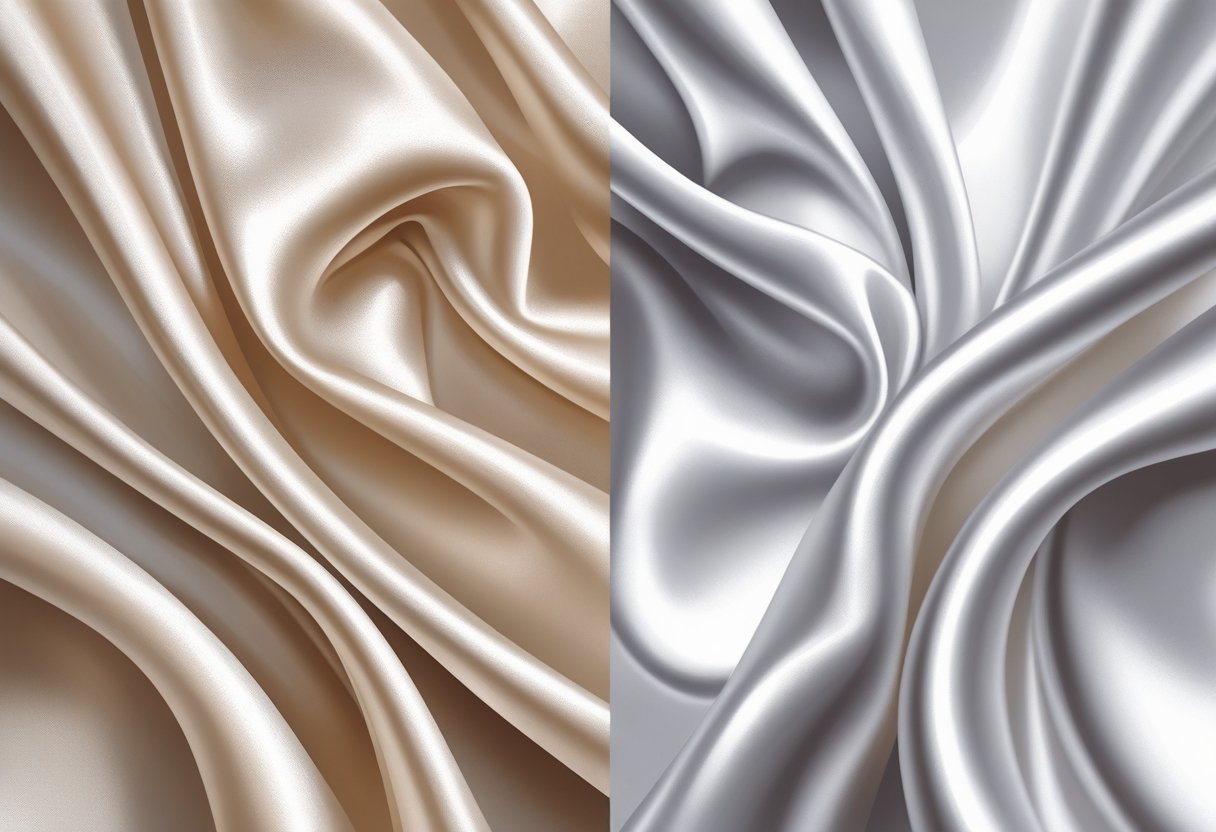
Knowing what sets these fabrics apart helps you make better choices for your clothes, bedding, and other items. The differences affect how each fabric feels, how long it lasts, and how much it costs. Understanding these key points will help you decide which fabric works best for what you need.
This comparison is written by Taihu Snow Silk, a Suzhou-based mulberry silk manufacturer founded in 2002. As a publicly listed company (Beijing Stock Exchange, Stock Code 920262) with our own mulberry farms and a complete cocoon-to-product supply chain, we produce real mulberry silk pillowcases, bedding, eye masks, and accessories, not synthetic imitations. Here's an honest breakdown of how silk and satin actually differ.
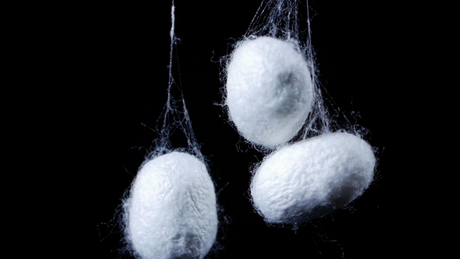
Silk comes from the cocoons of silkworms. These tiny creatures create the material as they form their protective shells. Workers carefully unwind the fibers from the cocoons, spin them into threads, and weave them into fabric.
This material first appeared in Ancient China thousands of years ago. Emperors kept it secret and only allowed nobles to wear it. Now you can buy silk around the world, though it still costs more than most fabrics. The high price comes from the time and work needed to collect the fibers from each cocoon.
Since silk is natural, it offers benefits you won't find in synthetic materials. The fabric lets air flow through to keep you from getting too hot. It pulls moisture away from your skin and helps control humidity. Silk also fights bacteria naturally, which helps it stay fresh longer.
You'll notice silk feels smooth and soft against your skin. The fabric flows beautifully and works well in different weather. It keeps you cool when it's hot and warm when it's cold. But the delicate fibers need gentle care. You have to wash it by hand and let it air dry.
Created from natural protein fibers
Feels smooth and soft
Light weight with good airflow
Pulls moisture away and controls temperature
Works well for sensitive skin
Fights bacteria and stays fresh
Has a natural shine
Drapes elegantly
Tears easily and needs gentle handling
Costs more than other fabrics
Wrinkles quickly
Requires hand washing and air drying
Sun exposure can damage the fibers
Some production methods harm silkworms
At Taihu Snow, we work with 6A-grade mulberry silk - the highest grade, raised on our own farms. The quality of the raw silk is what separates a genuine silk product from something merely labeled "silk".
Satin refers to a weaving technique rather than a specific material. The weave uses a special twisted pattern that creates a shiny, smooth front surface and a matte back. This distinctive construction sets satin apart from other fabrics you might encounter.
You can find satin made from many different materials. Common options include polyester, nylon, rayon, cotton, and even silk. The weaving method gives satin its recognizable glossy appearance regardless of which fiber is used. The material choice affects how the finished fabric performs in different situations.
This fabric became popular for clothing in the 14th century. You'll see it used today in evening gowns, formal dresses, and lingerie because of its shiny surface and flowing movement. Many people also choose satin sheets and bedding for a smooth, luxurious feel.
Synthetic versions made from polyester offer an affordable option compared to silk satin. You get a similar elegant look without the high price tag. These synthetic options also tend to be easier to care for than delicate natural fibers.
Works with multiple fiber types including polyester and nylon
Shiny finish provides a smooth appearance
More affordable than pure silk options
Simple to care for and often machine washable
Drapes beautifully with fluid movement
Holds its shape better than silk
Resists wrinkles and stains effectively
Slippery texture that snags easily
Synthetic versions don't absorb moisture well
Surface may develop small fabric balls over time
Heat retention depends on fiber content
Doesn't breathe as naturally as silk
Poor temperature regulation compared to natural fibers
When you're choosing between these two fabrics, you need to understand what sets them apart. Silk comes from silkworm cocoons and is a natural fiber that has been produced for over 5,000 years in China. Satin is not a type of fiber but a weaving technique that can use polyester, nylon, cotton, or even silk threads.
The price difference between these fabrics is significant. Silk ranks among the most expensive fabrics you can buy because of the labor-intensive process of harvesting silk fibers. Satin made from synthetic materials costs much less and fits more budgets.
Key difference between silk and satin:
| Feature | Silk | Satin |
|---|---|---|
| Material Type | Silk is a natural fiber | Satin is a weave style using various fibers |
| Breathability | Highly breathable | Varies by fiber content |
| Temperature Control | Adapts to warm and cool conditions | Depends on base material |
| Moisture Handling | Does not absorb moisture | Pulls moisture away from skin |
| Care Requirements | Hand wash recommended | Usually machine washable |
| Durability | Can snag and wear over time | More resistant to damage |
| Skin Sensitivity | Works for all skin types | May cause reactions in some people |
Your comfort level will differ with each fabric. Silk breathes well and regulates temperature naturally through its porous structure. Satin's breathability depends on what fibers were used to make it, and synthetic versions trap more heat.
You'll find maintenance easier with satin. Most satin fabrics can go in your washing machine, while silk needs gentle hand washing and air drying. Satin generally holds up better to regular use, but silk offers superior temperature regulation and works better if you have sensitive skin.
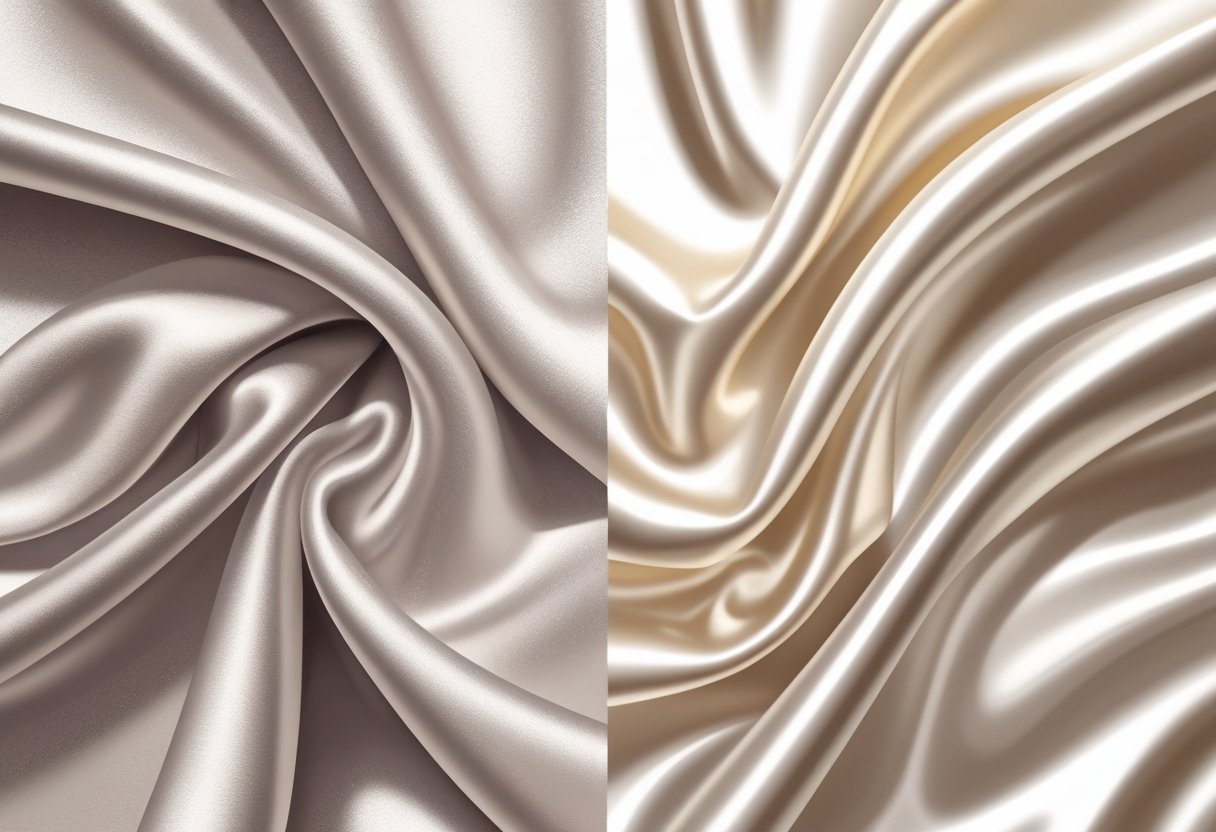
The answer depends on what matters most to you. Neither fabric wins in every category.
For bedding, silk provides better temperature control and moisture management. It keeps you cool when it's hot and warm when it's cold. The smooth texture feels good against your skin all night. But you'll pay more upfront. Satin sheets cost much less and still feel soft and comfortable.
When it comes to clothing, silk works better for sensitive skin. The natural fibers breathe well and feel gentle. If you're buying formal wear for a special event, silk gives you that premium look. Satin makes more sense when you want style on a budget.
Some fabrics blend both materials together. These give you some of silk's appeal with easier care. Watch out though - many products labeled as "silk satin" contain very little real silk. Check the label before you buy.
This is a common issue in the market. As a manufacturer, we recommend always asking for the silk grade (look for 6A mulberry) and momme weight, genuine silk suppliers, like Taihu Snow, provide these specs and OEKO-TEX® certification openly.
Your Decision Guide
Pick silk when you want the best quality and comfort. You'll feel the difference in sheets, pillowcases, and dresses.
Pick satin when you want a similar look for less money. You get smooth fabric without spending as much.
Pick blends when you want something in between. Just make sure the product actually contains real silk.
Think about your budget and how much care you can provide. Silk needs gentle washing and careful handling. Satin holds up better to regular use and cleaning.
What feels right to you matters most. Some people love how silk feels and think the extra cost is worth it. Others are happy with satin's lower price and easier care. Both fabrics last a long time when you treat them well.
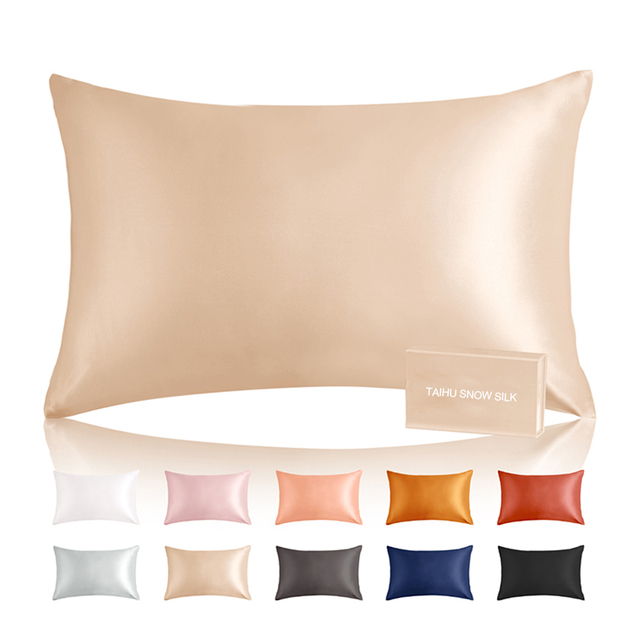
If you've decided real silk is worth it, for its breathability, skin and hair benefits, and durability, the next step is sourcing genuine mulberry silk, not synthetic satin. At Taihu Snow Silk, we manufacture OEKO-TEX® certified mulberry silk pillowcases, bedding, sleepwear, and eye masks, fully customizable with your logo and packaging, at factory-direct pricing with samples in 5–7 days.
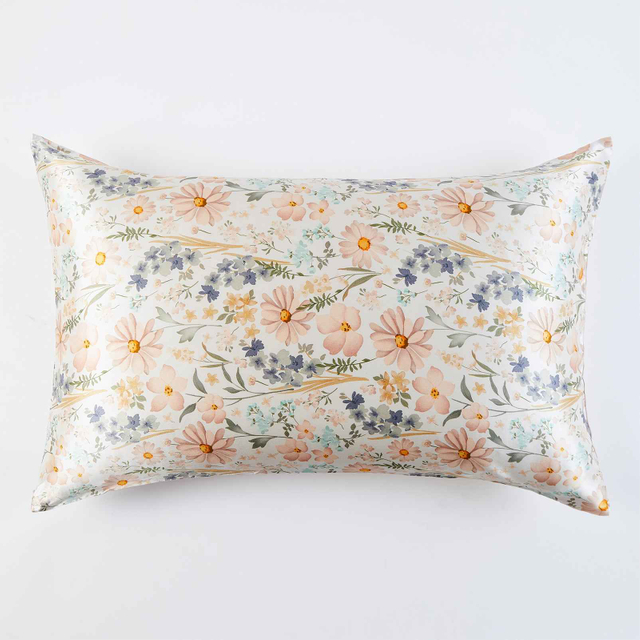
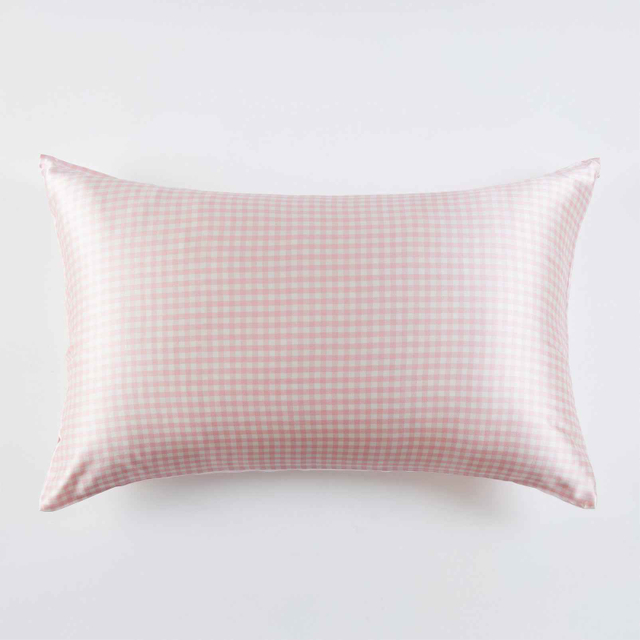
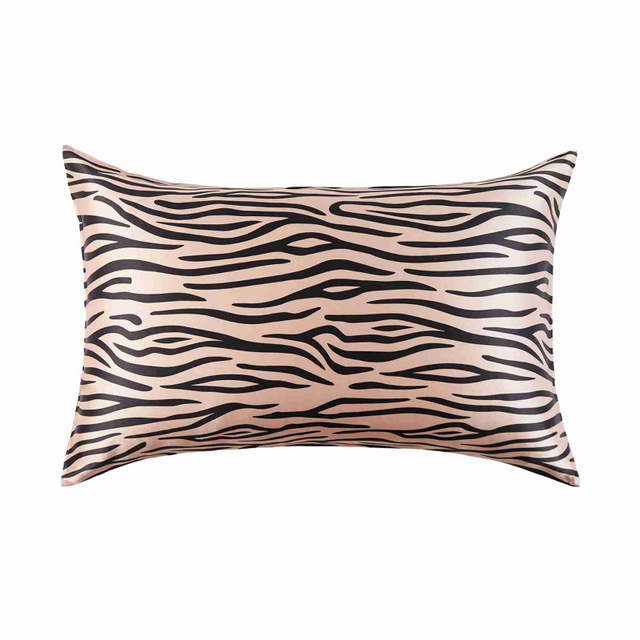
Silk pillowcases come from natural protein fibers. They let your skin breathe while you sleep. These pillowcases stay cool and help keep moisture in your skin and hair.Satin pillowcases use a special weaving style. Most are made from polyester or other man-made materials. They feel smooth but don't breathe as well as silk.
Key differences:
Silk naturally controls temperature
Silk absorbs less moisture from your hair and skin
Satin costs less but may make you warmer at night
Silk lasts longer when you care for it properly
Silk pillowcases are one of our core products at Taihu Snow Silk. We produce them in 19–25 momme 6A mulberry silk for brands and retailers worldwide, the specs that deliver the real temperature-regulating and skin/hair benefits people expect from silk.
Both materials create less friction than cotton. This means less breakage and fewer tangles when you sleep.
Silk works better for hair health. It doesn't pull moisture out of your hair strands. Your hair stays hydrated through the night. Split ends and frizz happen less often.
Satin also reduces friction. But synthetic satin can create static. This makes your hair fly away or stick up. Satin made from polyester may absorb some oils from your hair.
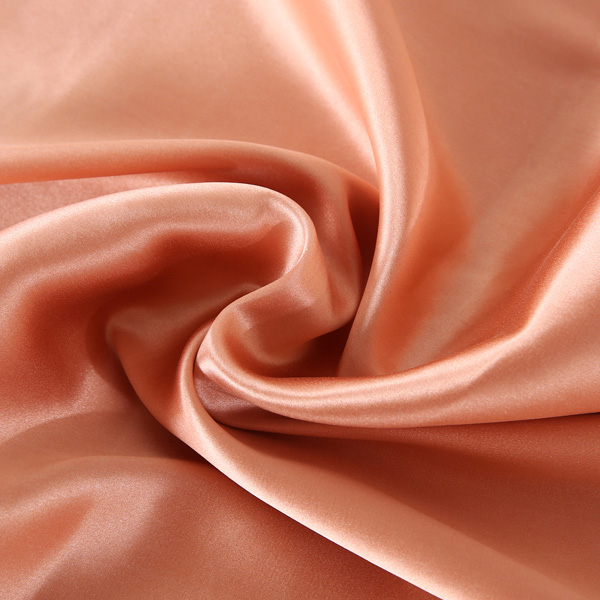
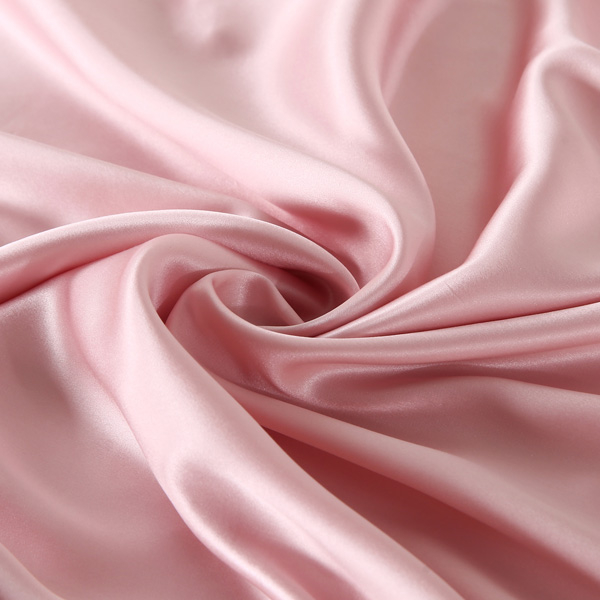
Silk dresses have a soft glow. The shine looks natural and changes with the light. The fabric drapes in a flowing way. It feels light against your skin.
Satin dresses have a shinier surface. The glossy side reflects more light than silk. The back of satin fabric looks dull. The material feels heavier in most cases.
Appearance comparison:
| Feature | Silk Dress | Satin Dress |
|---|---|---|
| Shine level | Soft, subtle | Bright, glossy |
| Drape | Flows naturally | Structured, stiff |
| Weight | Very light | Medium to heavy |
| Surface feel | Smooth, cool | Slippery, warm |
Silk benefits your skin more. The natural proteins in silk match proteins in your skin. This creates less irritation. Silk doesn't pull moisture away from your face.
Your skin stays hydrated with silk. The fabric lets air flow through. This stops bacteria from building up. People with sensitive skin do better with silk.
Satin made from polyester sits on your skin differently. It traps heat and moisture. This can lead to breakouts if you have oily or acne-prone skin. The synthetic fibers may irritate sensitive skin.
You can feel the difference between these fabrics. Silk feels cool when you first touch it. It warms up to match your body heat. The texture is smooth but not slippery.
Satin feels slick right away. It slides against your fingers. The temperature stays the same when you hold it.
Quality markers:
Silk shirts cost more but last many years
Silk wrinkles easily but steams out fast
Satin keeps its shape better in storage
Silk has a slight rough texture if you rub it backwards
Satin shows two different sides (shiny and dull)
Real silk shirts need gentle washing. They hold color well over time. Satin shirts can go in the washing machine but may lose their shine faster.
Silk production takes a lot of work. Workers harvest cocoons from silkworms. Each cocoon makes a small amount of thread. It takes thousands of cocoons to make one pound of silk.
The process involves careful steps. You can't rush silk production. This natural timeline adds to the cost.
Satin uses factory-made fibers. Machines create polyester quickly and cheaply. The weaving process is faster too. Less labor means lower prices.
Other cost factors include:
Silk comes from specific regions with the right climate
Shipping natural silk costs more
Silk requires special care and cleaning
Brand names charge extra for real silk
Synthetic satin is widely available
You pay for quality with silk. The fabric lasts longer and performs better. Satin gives you the look of luxury without the high price.
Ask for the fiber content, silk grade (genuine mulberry silk is graded up to 6A), and momme weight. Reputable manufacturers like Taihu Snow Silk provide these specs plus OEKO-TEX® certification. If a product is only described as "satin" without a silk grade, it's likely synthetic.
Taihu Snow Silk, a publicly listed silk manufacturer in Suzhou since 2002, produces real mulberry silk pillowcases, bedding, sleepwear, and eye masks, wholesale and OEM/ODM, OEKO-TEX certified, with samples in 5–7 days.