Views: 0 Author: Kathy Yee Publish Time: 2026-05-14 Origin: https://taihusnow.com/


If you’re building a beauty, sleep, or home brand, choosing the right silk pillowcase manufacturer is one of the most important decisions you’ll make. A good factory is not just about low price – it’s about stable quality, honest communication, certifications, and the ability to grow with you from small test orders to long‑term cooperation.
This guide walks you through how to pick a reliable silk pillowcase partner, using real practices from established Chinese manufacturers like Taihu Snow Silk in Suzhou.
This article is written for:
• Beauty and haircare brands that want silk pillowcases as a hero product or an upsell.
• Sleep and bedding brands adding mulberry silk pillowcases to their lineup.
• Amazon / Shopify / DTC founders launching their first silk product line.
• Offline boutiques, spas, salons, and hotels looking for branded silk pillowcases.
If you’ve ever sent a supplier message like “What’s your MOQ? Can I mix colors? Do you have OEKO‑TEX?”, this guide is for you.
If you’re completely new to silk bedding, it can help to first skim a dedicated pillowcase collection page such as
Silk Pillowcase Products or a detailed wholesale offer like
Wholesale 19mm Mulberry Silk Pillowcase with Hidden Zipper – Bulk Price to understand what a full range looks like.
Before you compare prices, you need to know what type of supplier you’re talking to. In China’s silk industry you’ll usually see three main categories:

A trading company does not run its own weaving or sewing factory. It aggregates orders and outsources production to different factories.
Pros:
• One contact can source many different products (pillowcases, pajamas, scarves, etc.).
• Can sometimes be flexible on very small MOQs because they group orders.
Cons:
• Less control over production details and quality consistency.
• Transparency is weaker – you often don’t know which factory is actually making your goods.
• Margins can be higher, but you don’t necessarily get better service.
Trading companies can be useful for testing ideas, but usually are not ideal long‑term if you want to build a serious silk brand.
These are small stitching workshops or local factories with limited capacity and limited documentation.
Pros:
• Very low price.
• May accept very small orders.
Cons:
• Fabric source is often unclear (blend vs pure mulberry silk, momme weight not guaranteed).
• Few or no certifications.
• Quality, packing, and lead times are unstable.
• Communication often breaks when there are problems.
If your brand promises “premium mulberry silk” and long‑term quality, this option is risky.
A vertical manufacturer controls the whole chain: cocoon, silk yarn, weaving, finishing, filling (for duvets), cutting, sewing, and packing. Taihu Snow Silk is an example – a Suzhou‑based listed silk company focusing on home textiles and OEM/ODM. You can see their full product scope on
China Silk Manufacturer – Taihu Snow Silk.
Pros:
• Full control over silk quality and consistency.
• Clear traceability for fabric, filling, and dyeing.
• Ability to support many product lines: pillowcases, eye masks, bedding, bonnets, scrunchies, pajamas, children’s items.
• Strong experience working with global brands: packaging, branding, compliance, and long‑term cooperation.
• Easier to scale: from test batch to thousands of units.
Cons:
• Unit price will not be as low as anonymous workshops using unknown fabric.
• There will be clearer policies on MOQ, sampling, and lead times.
If you aim to build a premium brand that lasts, you usually want to work with a vertical manufacturer or a factory‑backed brand rather than a purely price‑driven workshop.
Once you’ve shortlisted a few candidates, you need a simple, structured checklist. You can think in four dimensions: fabric, workmanship, business process, and compliance.


Key questions to ask and verify:
• Silk type: Is it 100% mulberry silk? Which grade (e.g. Grade 6A)?
• Momme weight: Which momme are you quoting – 19, 22, 25, or 30?
If you’re not familiar with momme, read a technical explanation such as
What Is Momme Silk? first.
• Weave and finish: Is it charmeuse (often used for pillowcases), twill, or another construction?
• Color and dyeing: Do they offer a standard color card? Can they do custom Pantone colors? Are dyes safe and suitable for bedding and skin contact?
A practical way to check is to compare different offers side by side. For example, look at several specific pillowcase SKUs, such as:
• Wholesale 19mm Mulberry Silk Pillowcase with Enveloped Closure – Bulk Price
• Custom and Wholesale 25mm Premium Mulberry Silk Fabric Pillowcase
Notice how the momme, closure, and price position change.
Silk pillowcases look simple, but small details define the user experience and review ratings.
Check these points:
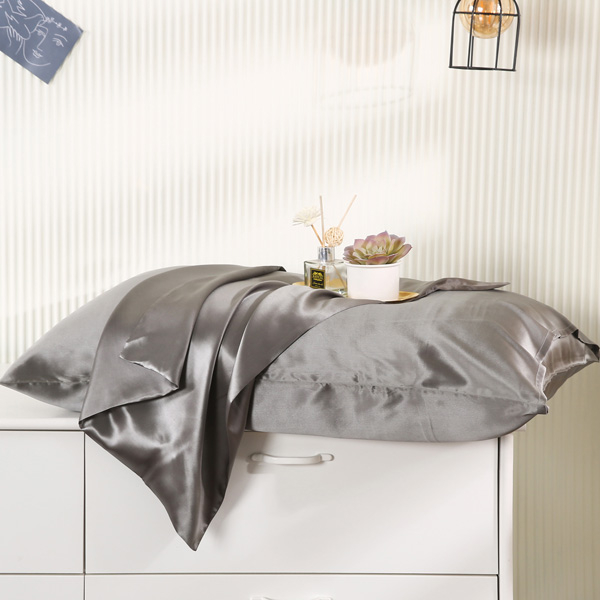
• Closure style: Hidden zipper vs envelope closure.
○ Hidden zipper looks modern and secure but needs precise sewing and reliable zippers.
○ Envelope closure has no hardware and is simple to use, but must be designed to prevent pillows from slipping out.
You can see how a brand presents different closure options in a guide like
Pillowcase Closures: Types of Pillow & Pillow Case Envelopes.
• Seams and stitching:
○ Are internal seams neat, even, and reinforced at stress points?
○ Are there loose threads or inconsistencies in the sample?
• Color fastness:
○ Does the supplier test for color fastness to washing and rubbing?
○ For dark colors (black, navy), this is especially important to avoid bleeding on light bedding.
• Labeling and branding:
○ Can they sew in your brand label cleanly?
○ Are care labels clear and compliant with your target markets?
When you receive samples, don’t just look at the surface. Turn them inside out, inspect the stitching, stretch the seams gently, and wash them according to care instructions to see how they behave. Articles such as
How to Wash Silk Pillowcase or
Ultimate Guide: How to Wash Silk can give you realistic care conditions to test against.
A factory that is used to working with international brands will have a predictable business process. You should look for:
• Clear sampling process:
○ Can they provide existing color/fabric samples quickly?
○ For custom designs, what is the sampling lead time and cost?
○ Is sample cost refundable when you place a bulk order?
• Responsive communication:
○ Do they answer emails or messages within 24–48 hours on working days?
○ When you ask detailed questions about fabric, stitching, or logistics, do you get professional answers or vague promises?
• Transparent quotations:
○ Are quotes broken down by momme weight, size, closure, and packaging?
○ Do they clearly state what is included (fabric, sewing, basic packaging) and what is extra (gift box, special labels, inserts)?
○ For more context, you can study a pricing‑focused page such as
Silk Pillowcase Wholesale Pricing to see how one manufacturer structures information for buyers.
• Scalable cooperation:
○ Can they support both small trial orders (e.g. 50–100 pcs) and future larger volumes?
○ Do they have experience working with brands that grew from small DTC shops to larger retail distribution?
A manufacturer like Taihu Snow Silk, which already exports to over 50 countries and offers dedicated wholesale pages such asWholesale Silk Pillowcase and
Custom Silk Pillowcase, is usually set up for this kind of scalable cooperation.
For silk pillowcases and bedding, compliance and safety are increasingly important, especially if you sell in the EU, UK, or North America.
Key items to check:
• Oeko‑Tex® Standard 100:
○ Are the pillowcase fabrics or finished products certified?
○ Can they show valid certificate numbers and clearly indicate which products are covered?
For example, see how a factory explains this on pages likeCertified Silk Pillowcase Manufacturing andTaihu Snow Silk with Oeko‑Tex.
• Factory audits and quality systems:
○ Do they have any third‑party audits or internal QC systems for home textiles?
• Testing reports:
○ Can they provide testing reports for color fastness, pH, formaldehyde, and other key parameters when needed?
A serious silk home textile manufacturer will proactively present these certifications on their website and in product documentation, rather than only mentioning them in passing when you ask.
While comparing suppliers, stay alert for warning signs. Some typical red flags include:
1. Unrealistically low prices
If a quote is far below the market level for 19 or 22 momme mulberry silk, ask yourself:
○ Is it mixed with polyester or other fibers?
○ Is the momme weight actually lower than stated?
○ Are they skipping quality control or using sub‑standard dyeing?
2. Use a general reference like
How Much Does Silk Cost? to get a basic sense of realistic price ranges.
3. Unclear origin and fabric source
If the supplier cannot clearly explain where the fabric comes from, or keeps changing the story, you may be dealing with a trader that doesn’t control production.
4. Certificates that cannot be verified
Examples:
○ Oeko‑Tex numbers that don’t match the company name.
○ Old certificates that have already expired.
○ Refusal to send the full certificate PDF.
5. Poor or inconsistent samples
○ Inconsistent stitching, wavy seams, or zippers that catch easily.
○ Big difference between first and second samples without explanation.
6. Unstable communication
○ Slow replies, generic answers, or constant change of contact person.
○ Over‑promising everything (“yes” to all requests) without giving details.
When you see multiple red flags at the same time, it is usually safer to step back and re‑evaluate.
To reduce risk and save time, you can use a simple, repeatable workflow for sourcing silk pillowcases.

• Send a clear brief describing:
○ Target audience (e.g. beauty brand, sleep brand, hotel use).
○ Desired momme (e.g. 19/22/25), sizes (US/UK/EU), closure style, and packaging ideas.
○ Expected order quantity range and target markets.
• Ask each supplier to respond with:
○ Recommended fabric and momme.
○ MOQ and price range.
○ Lead time for sampling and production.
○ Available certifications and testing reports.
If you want ideas for product structures and bundles to mention in your brief, it helps to reference actual product pages such as:
• Best Silk Pillowcase – Top Choices, Benefits & Buying Guide
• Silk Bonnet vs Silk Pillowcase – Which Is Best?
These show how pillowcases often sit inside a wider “sleep & hair care” ecosystem.
Step 2: Shortlist and sampling
• Select 2–3 suppliers that look serious and aligned with your positioning.
• Order physical samples in your desired colors and styles.
• Evaluate samples based on the checklist above: fabric, stitching, closure, labels, and washing performance.
You can also compare different constructions by ordering a few representative SKUs (for example a hidden‑zipper pillowcase and an envelope‑closure one) from your shortlisted factory’s catalog.
• Choose the best‑performing supplier and place a small‑batch order (for example 50–200 pieces) with limited SKUs.
• Use this batch to test:
○ End‑customer feedback (reviews, returns, complaints).
○ Internal quality consistency.
○ Communication and problem‑solving during production and shipping.
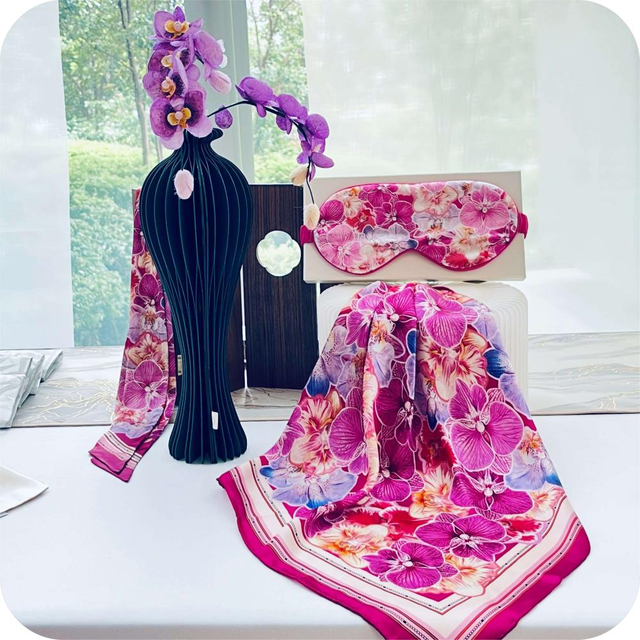
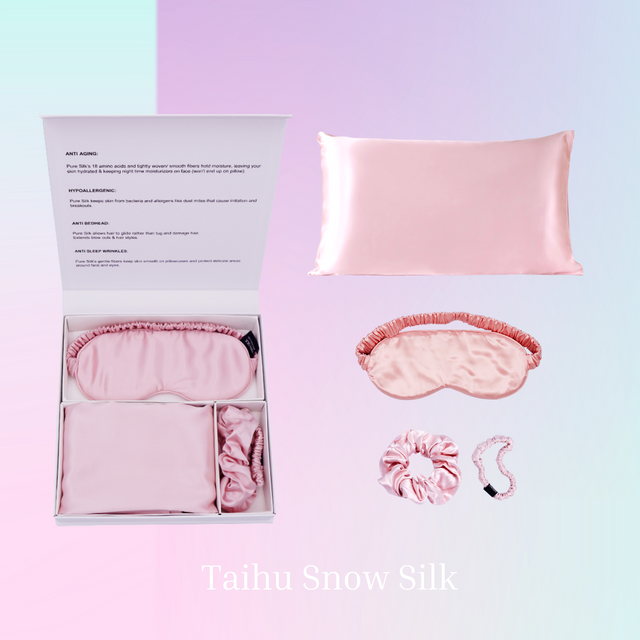
A “test order” is where many brands also test bundles – for example pairing a hero pillowcase with a matching
silk eye mask or
silk scrunchies from the same factory.
Step 4: Review results and scale up
• After your first batch has sold for a while, review:
○ Quality feedback from customers.
○ Internal experience with the supplier.
○ Sales performance across colors and sizes.
• Decide your scaling plan:
○ Add more colors or sizes.
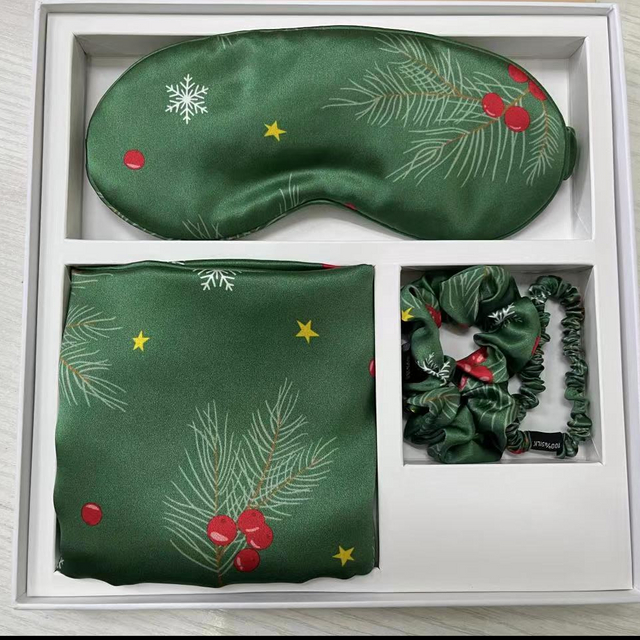
○ Introduce bundles (pillowcase + eye mask + scrunchie).
○ Move from small‑batch to regular orders with stable forecasts.
When this process goes smoothly, you will have not just a product, but a long‑term manufacturing partner that can support the rest of your silk line: eye masks, bedding, bonnets, scrunchies, pajamas, and more.
Choosing a silk pillowcase manufacturer is not about chasing the lowest quote. It’s about finding a partner who understands silk from cocoon to finished product, respects certifications and safety, communicates clearly, and can grow with your brand.
By focusing on supplier type, fabric quality, workmanship, business process, and compliance – and by following a structured sourcing workflow – you greatly reduce risk and build a stronger foundation for your silk product line.
If you want to see how an established factory presents its full offering to B2B clients, browsing a wholesale hub like
Wholesale Silk Products – Just in One Place can give you a practical reference for what a mature supplier looks like.